Menopause and Sex: Why Lubrication Is Key to Comfort and Pleasure

“What is wrong with me? Does my body hate me?” I hear these questions a lot from women who are going through “the Change.” Honestly, I used to hate it when people called menopause “the Change.” But the more I began to understand how much a woman’s body actually does change during this period of life, I realized it’s not a misnomer.
Menopause does change intimacy. On many levels. We’ve been conditioned to believe that once estrogen drops, desire and pleasure plummet, and our sex life shrivels right up.
And yes, estrogen does drop, resulting in some unwanted and uncomfortable feelings. Which is why it’s so important to set yourself up for success when it comes to sex. Arm yourself with the knowledge and tools that allow you to actually enjoy this new phase of life.
One of my favorite tools is lubrication. You may think needing some assistance in the wetness department means there’s something wrong with you. But what if you began to see lube as a tool? A tool that can completely change your relationship with pleasure again.
Let’s explore that.
Understanding Menopause and Its Impact on Sex
For many, menopause is a tumultuous transition that often feels like walking into a completely rearranged house every day. The drawers that used to hold your favorite pens are nowhere to be found and you can’t for the life of you remember why you even walked into the kitchen.
How Hormonal Changes Affect Desire and Comfort
When estrogen dips, your body stops producing lubrication the way it used to. This means even if you’re turned on mentally, you’re still dry down there. Arousal typically takes longer than it used to. You may notice that certain parts are more sensitive (but in an uncomfortable way). Your relationship with desire is also likely to shift. Sex at this stage of life has the opportunity to take on a whole new meaning. One that is rooted in your relationship (to yourself and your partner) and a reflection of your preferences.
Why Vaginal Dryness is Common during Menopause
Vaginal dryness is one of the most common occurrences during menopause and can completely change how sex feels. When your natural lubrication decreases, so does your level of comfort, which can significantly impact your interest in getting it on.
When we try to push through the dryness, sensations such as burning, stinging, and a feeling of resistance can occur. This can result in micro-tears in the vagina which can lead to infection and unpleasant feelings.
It’s not that your body forgot how to work. She just needs a little help, which is in no way a reflection of you as a whole and worthy human. It’s just part and parcel of this stage of life. We change. How beautiful is that!
Emotional Impacts of Menopause on Intimacy
One thing I see in my practice is that when sex starts feeling painful, women often internalize it. Shame and fear of disappointing a partner often turn to resentment, guilt, and avoidance of sex all together. This may lead to your partner feeling confused and you feeling broken.
But you’re not broken. You’re adjusting to this new phase which requires grace for yourself.
The Role of Lubrication in Menopause
One of your best friends, if you haven’t already befriended her, is lubrication. I cannot emphasize enough how much these little bottles are going to be a total game changer for you.
How Lube can Improve Intimacy after Menopause
Using lube is one of the fastest, most effective, most pleasurable ways to reclaim your sex life during menopause.
It helps by reducing friction, supporting thinner vaginal tissues, and diminishing burning and soreness. When your body can relax, it allows arousal to increase, mentally and physically.
Lube won’t fix everything, but it helps significantly.
Silicone- vs. Water-Based Lube for Menopause
People ask all the time: Is water-based or silicone-based lube better for menopause? And like most things, the answer is: it depends on your body.
Water-Based Lube

Silicone-Based Lube

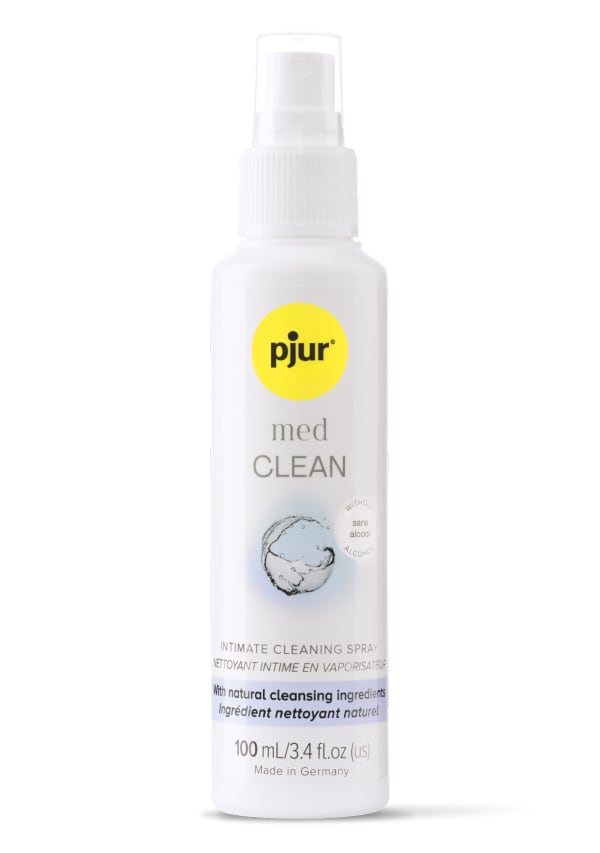
If you have sensitive skin or want a gentle option, start with pjur’s collection of lubes suitable for sensitive skin.
Natural Lubrication Support and Options
Beyond store-bought lubricants, you can also support natural lubrication by staying hydrated, avoiding harsh soaps or scented products, strengthening pelvic floor muscles (hello, Kegels), and using vaginal estrogen (always be sure to check with your medical provider).
None of these are a replacement for lube. It’s part of the tag-team approach we appreciate.
Making Sex Comfortable and Pleasurable Again
Pleasure is your birthright and still available to you – deeply, fully, deliciously. You don’t need to “push through it.” You don’t need to apologize or pretend it doesn’t hurt.
You just need a few tools.
Intimacy Tools and Sex Positions for Post-Menopause Comfort
If penetration is uncomfortable, try:
- Side-lying (less pressure, slower entry)
- Woman-on-top (you control depth and pace)
- Missionary with a pillow under the hips (opens the angle)
Intimacy tools (vibrators, wands, dilators) can also increase blood flow and restore elasticity.

How Communication with Your Partner Helps
The power of honest communication cannot be emphasized enough. Your partner needs to know what feels different, what hurts, the emotional load you’re carrying, how they can please you, and anything else that makes you feel more comfortable during sexual intimacy.
This may feel scary if you’re never done this before and that’s ok. But communication plays a vital role in pleasurable sex. An easy way to introduce this kind of conversation is to say something like, “I’ve noticed that as I’ve entered menopause this (insert whatever it is) feels different. I think I need more of (insert what you need). Would you be open to (insert…)?”
Combining Lube with Other Wellness Practices
This is where lubrication becomes part of a bigger, more holistic approach to pleasure. Think of it as creating the conditions your body now thrives in, rather than expecting it to perform the way it did at 25. These practices aren’t just add-ons. They are the blueprint for comfortable, connected, deeply pleasurable sex during and after menopause.
1. Longer Warm-Up
Your body may need more time to feel ready, and that’s not a downgrade; it’s an invitation. A longer warm-up allows blood flow to increase, the pelvic floor to relax, and your nervous system to shift from “go-go-go” into “I can receive.”
How to make this practical:
- Give yourself 10 to 20 minutes before penetration becomes a consideration.
- Start with non-genital touch: shoulders, back, hips, the places that melt when someone actually pays attention.
- Use lubricant during warm-up too. A drop on the hands for massage instantly turns the experience into sensual play.
- Let arousal feel like a slow build instead of something you have to rush toward.
A well-aroused body lubricates better, feels safer, and experiences pleasure far more intensely.
2. Slower Transitions
Think of transitions like stepping stones. If you hop too quickly from one activity or position to the next, your body may tense or shut down. Slow transitions help your brain and body stay connected, present, and open.
Try this:
- Pause between stages: kissing → touching → oral → penetration. Just breathe there for a moment.
- Notice what your body is saying. Do you want more of something? Less? Something different?
- Add lubrication before penetration begins, not at the last second.
- Let penetration start shallow, slow, and steady. Your body will tell you when it wants more.
Slowing down isn’t about dragging things out. It’s about letting pleasure catch up with desire.
3. Sensual Practices (touch, taste, sound)
When your mind is stimulated, your body follows - and that’s especially true during menopause. Sensuality engages your whole system and creates arousal without putting pressure on the vagina.
Touch:
- Use feathers, silk, satin, or even warm hands to explore non-genital parts of the body. Notice how you react to these parts
- Think “teasing,” not rushing.
Taste:
- Bring in fruit, chocolate, flavored oils - something playful.
- Try feeding each other or tasting from the skin.
Sound:
- Curate music that makes your body soften-slow beats, sensual rhythms.
- Reading sensual stories aloud or listening to erotic audio can heighten mental arousal.
Sensuality widens the doorway to pleasure, especially when physical sensitivity has changed.
4. Pelvic Floor Therapy
Your pelvic floor is the quiet MVP of your sex life. During menopause, it can become tight or reactive, especially if sex has been painful. A tense pelvic floor makes penetration feel sharp, resistant, or impossible.
Practical ways to support it:
- Work with a pelvic floor physical therapist if you can, they’re game changers.
- Practice reverse Kegels, which focus on lengthening rather than tightening.
- Use dilators with plenty of lube to gently retrain your body to relax and receive.
- Try warm baths, stretching, or hip-opening movements before intimacy.
When your pelvic floor relaxes, pleasure becomes fuller, deeper, and more accessible.
5. Breathwork During Penetration
Your breath is one of the quickest ways to shift your body out of tension and into pleasure. Deep, slow breaths send a signal of safety to the nervous system, and safe bodies open.
Try this during penetration:
- Inhale for 4 seconds, exhale for 6 seconds.
- Imagine your pelvic floor softening with every exhale.
- Sync the rhythm of your breath with the rhythm of movement.
- If something feels intense, pause and use breath to return to ease.
Your breath is a tool, not an afterthought. It helps create softness, space, and deeper sensation.
FAQs About Menopause and Lubrication
Is Sex still Enjoyable after Menopause?
Yes. Absolutely, yes. If anything, it can get better because you’re more self-aware, confident, and honest than you’ve ever been.
What’s the Best Way to Reduce Discomfort during Sex?
Start with lube. Use a lube optimized for menopause symptoms, add lots of warm-up, and choose comfortable positions.
Can Lubrication Improve Intimacy and Connection?
Absolutely. When you’re not bracing for pain, you can relax into pleasure and connection follows.
What is the Best Lubricant for Menopause?
The best one is the one your body responds well to. Test water-based. Test silicone-based. Choose what makes you feel good.
Why does Sex Feel Different during Menopause?
Estrogen is declining, vaginal tissues thin, and natural lubrication decreases. Your body isn’t broken or betraying you; it’s evolving.
Can Lube Help with Vaginal Dryness in Menopause?
Yes. Lube is often the simplest, fastest, and most effective fix for dryness.
Final Thoughts: This Version of You Deserves Pleasure
Menopause is a transition, and transitions often require new tools. Lubrication is one of the easiest, most empowering tools you can give yourself.
Remember-pleasure isn’t behind you. It’s right here, and it’s absolutely still yours.
About the Author:

Photo credits: shutterstock_315880250; shutterstock_433458430
Ready to explore sensitive-skin-friendly options? Here are my must haves: