Understanding Low Libido: Causes, Myths, and Tools to Support Healthy Desire

Having a low libido – or in other words a “low sex drive” – is completely normal and just means you are currently less interested in sex than usual. And truthfully, this is more common than most people admit, especially when life gets busy or stressful. Sometimes desire dips briefly, sometimes it lingers. Both are completely normal and do not mean anything is “wrong” with you or your relationship. Often, lifestyle, stress, emotional connection, and changes in sleep or energy have a bigger impact than medical factors. Learning how to increase libido starts with understanding your own patterns and needs. Paying attention to your sexual desire can help you feel more confident and connected with yourself and your partner. Recognizing when you might benefit from libido support can make a huge difference in restoring balance and enjoyment in your sexual life.
What Is Low Libido?
When your interest in sex decreases, whether gradually or suddenly, it can feel confusing or frustrating. Maybe you want sex less often, or maybe the desire simply does not feel as strong. This change can be temporary or long-term, and both experiences are completely valid. Low sex drive causes vary, and it is incredibly common. During their lifetime, one in five men may experience a temporary loss of libido, while one in three women may be affected. Hormones and anatomy can influence sexual desire, but low sexual desire can happen to anyone, at any life stage. And here is something important to remember: there is no universal standard for what counts as “low.” A dip in desire after years in a long-term relationship is deeply normal. Feeling different sexual desire than your partner is normal, and noticing it does not mean something is wrong.
Understanding Low Sexual Desire
Even if your low sexual desire feels surprising, it does not indicate a failing relationship. Mental fatigue, low mood, disrupted sleep, or feeling disconnected from your body can quietly reduce sexual interest. Certain medications, especially antidepressants, can also contribute to a decreased sex drive. Observing these changes without pressure is the first step toward addressing them.
Common Signs Your Sex Drive Has Changed
Sometimes you might notice that sex does not pop into your mind as often, or the thought of intimacy feels more like a chore than a thrill. You may find that self-pleasure does not spark the same excitement it once did, or that physical touch with your partner feels less enticing. These shifts can sneak up gradually, often alongside stress, fatigue or disrupted sleep. Feeling frustrated, confused, or a bit worried about these changes is completely normal. Noticing how your desire has changed and what affects it is the first step toward understanding your needs and discovering meaningful forms of libido support.
What Causes Low Libido?
There is not one single reason for low libido. Low sexual desire in men or women can show up because of physical health, mental health, stress, relationship dynamics, hormone shifts, or life changes. Often, several factors blend together.
And just to reassure you: it is completely okay if you and your partner go through stretches of having less sex. What matters is whether both of you still feel cared for, connected, and respected.
Stress, Fatigue, and Mental Load
When life feels heavy such as work deadlines, parenting, financial stress, endless to-dos, your brain goes into survival mode. And survival mode is not exactly sexy. Stress hormones like cortisol push sexual desire to the back of the line while your mind focuses on “getting through the day”.
Mental overload is one of the top reasons adults experience low sex drive in relationships. You are not “broken”. You are simply tired.
Hormonal Shifts Across Different Life Stages
A woman’s libido can fluctuate for many reasons, and it is completely normal for desire to ebb and flow throughout life. Hormonal changes, such as those during perimenopause and menopause, can lower estrogen and testosterone, which may lower sexual desire. Physical discomfort, like vaginal dryness or pain during sex, naturally makes intimacy less appealing. Life events such as pregnancy, childbirth, and breastfeeding bring dramatic hormonal shifts, exhaustion, and new responsibilities, all of which can affect desire in different ways. Temporary conditions like yeast infections or urinary tract infections, as well as reproductive health issues like endometriosis or PMS can also impact libido. Even certain forms of hormonal birth control may reduce libido for some women.
Low Libido in Men
Men’s sexual desire can also be influenced by hormones, health, and life changes. Low testosterone, whether due to aging, chronic illness, medications, or lifestyle factors, can reduce both desire and energy. Sexual difficulties, such as erectile dysfunction or concerns around ejaculation, can create anxiety and make intimacy feel stressful, which naturally diminishes interest. All of this can contribute to low libido in men and low sexual desire.
Relationship Dynamics and Emotional Disconnect
Emotional closeness plays a huge role in sexual desire, so feeling distant from your partner can naturally make intimacy feel like just another obligation. Differences in expectations around sex, unresolved conflicts, or ongoing tension can quietly chip away at desire over time. Difficulty in communicating needs or feelings can also create frustration, making it harder to feel connected during intimate moments. For many people, trust, mutual understanding, and feeling emotionally supported are what truly fuel sexual closeness. When these elements are missing or strained, low libido can occur, even if there is still love and attraction.
Medication, Health Conditions, and Lifestyle Factors
Mental health plays a huge role in libido. Depression, anxiety, low self-esteem, burnout, and past sexual trauma can all decrease sexual desire.
Other factors include:
• Side effects from medications
• Alcohol, smoking, or drugs
• Medical conditions like diabetes, high blood pressure, or chronic illness
How Winter Blues Can Affect Your Sex Drive
Have you noticed that during the colder months you feel more tired, less motivated, or just “off” in general? That is often what people call the Winter Blues. Short days, less sunlight, and chilly weather can quietly sap your energy and mood and that includes your sex drive. When you are low on energy or feeling a bit down, sex can feel like one more thing on the to-do list rather than something fun and enjoyable.
Some of it is also hormonal: testosterone levels can dip slightly in winter, which may lower sexual desire, especially for men. The good news? These changes are completely normal and usually temporary. Understanding that it is seasonal and not a reflection of your relationship can take a lot of the pressure off. Cozying up, prioritizing small moments of connection, or even just giving yourself permission to rest can help you ride out the Winter Blues without stressing about your low libido.
How to Increase Your Libido Naturally
If your sex drive has dipped, it does not mean it is gone for good. There are lots of gentle, natural ways to reconnect with your desire and bring pleasure back into your life. Often, small changes - both to your lifestyle and how you connect with yourself and your partner, can make a surprisingly big difference. Understanding how to increase libido includes both mental and physical strategies for libido support.
 Small Lifestyle Shifts That Make a Big Difference
Even small lifestyle changes can boost desire. Prioritizing sleep, gentle exercise, and nourishing food supports energy, mood, and circulation. Cutting back on alcohol, quitting smoking, and taking time to relax helps your body feel more open to intimacy. Simple habits like short walks, morning stretches, or quiet screen-free moments can make you feel more present and in tune with yourself.
Building Emotional Intimacy With Your Partner
Emotional closeness often fuels sexual desire more than we realize. Feeling connected, heard, and appreciated by your partner can reignite the spark in the bedroom. This does not mean long heart-to-hearts every night, even small gestures count. Sharing thoughts, worries, or fantasies, planning date nights, laughing together, and spending quality time without pressure for sex all build a sense of warmth and safety. The more secure and connected you feel, the easier it is for desire to flow naturally and support sexual wellness.
Trying Mindful Touch or Sensate Focus Exercises
Focusing on touch without the expectation of sex can be a game-changer. Gentle, mindful physical contact like cuddling, caressing, kissing, or even experimenting with massage helps you and your partner rediscover pleasure and connection. Sensate focus exercises, where the goal is simply noticing sensation rather than “performing”. This can reduce anxiety and pressure, making intimacy feel safe, playful, and deeply satisfying. Foreplay is especially important for women, but everyone benefits from slowing down and exploring what feels good.
Reconnecting With Your Body Through Self-Pleasure
Exploring your own body is not only natural, but also empowering. Self-pleasure helps you learn what turns you on, increases body awareness, and can make partnered sex more fulfilling. It removes the pressure to perform or meet expectations, allowing curiosity and pleasure to take the lead. Taking this time for yourself can reignite desire, build confidence, and remind you that your sexuality is a normal, enjoyable part of who you are.
How Lubrication Can Support Comfort and Desire
Sometimes, low libido is not just about your mind or emotions: it is also about comfort. If intimacy feels dry, tight, or even a little uncomfortable, desire can easily fade. Using a quality lube for couples can make a big difference, helping touch feel pleasurable instead of stressful. Using lube for comfort during sex can reduce friction, enhance sensation, and help you feel more relaxed and connected. It is one of the simplest tools to increase sexual wellness.
Why Lubrication Matters for Arousal and Pleasure
Choosing the Right Lube: Silicone-Based, Water-Based, or Hybrid?
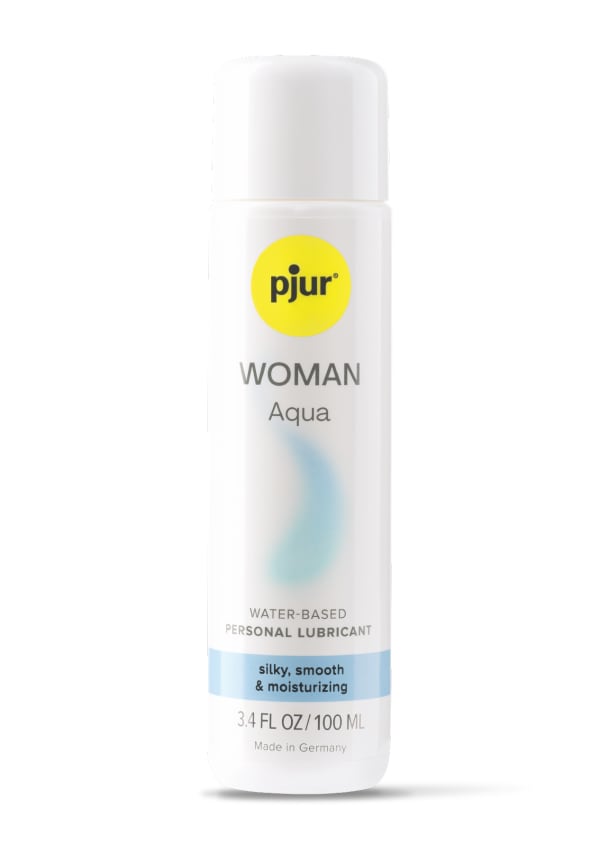
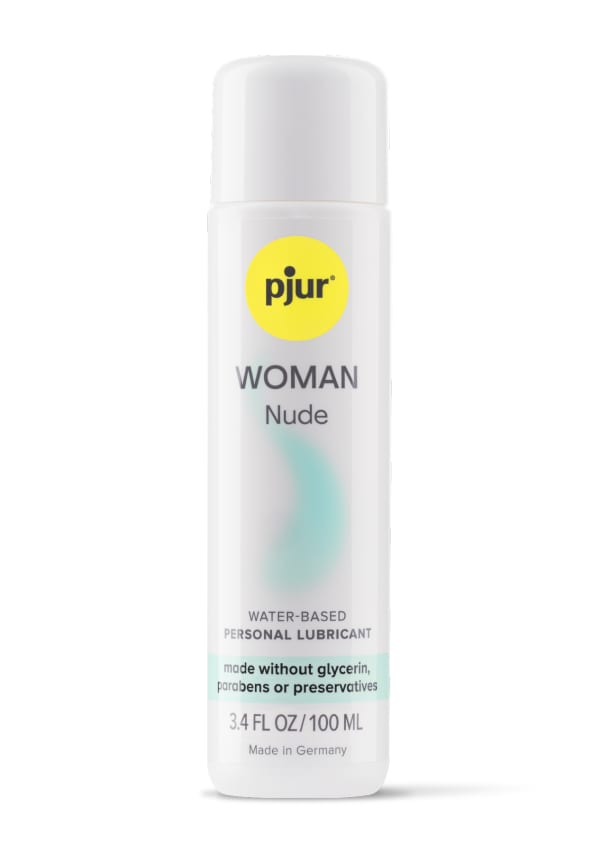
Picking a lube is not complicated and you might wonder what is the best lube for mismatched libido? You might need a little guidance in using the right one. Water-based lubes are versatile, easy to clean and offer intense skin care which leaves the skin feeling soft and smooth. They also provide plenty of moisture for your skin and are compatible with sex toys. Silicone-based lubes last longer and feel extra silky - perfect for slow, indulgent sessions or water play. Did you know that silicone molecules are larger than your skin’s pores, meaning the remain on its surface? Silicone-based lubes also do not contain preservatives, making them a great choice for people with sensitive skin. Hybrid combines the best of both worlds. These lubes are primarily water-based but contain a small amount of silicone, which makes them extra creamy and provides a smooth glide without sticky buildup. Hybrids are therefore compatible with sex toys. Choosing the right lube is about finding what feels best for you and your partner while fully enjoying the benefits of using lube and experiencing how lube enhances pleasure.
Using Lube to Reduce Discomfort and Increase Sensation
Lube reduces friction, which eases discomfort and prevents irritation. By doing so, it enhances sensation and helps you focus fully on pleasure, making intimate moments more enjoyable.
Using lube does not have to be a big deal - it is just another way to take care of your body and make touch feel good. Even a small amount can enhance sensation, so every kiss, stroke, and caress becomes more enjoyable, making it one of the natural ways to boost libido with lube.
How Lube Helps During Low Libido or High Stress
Stress, fatigue, and low desire can make intimacy feel like a chore. Using a lube for enhancing comfort during low libido can help by removing one barrier - physical discomfort - so you can reconnect with your body and your partner more easily. It is not a magic fix, but it is a simple, effective tool to make touch feel inviting and enjoyable. Sometimes, gentle touch combined with comfort is all it takes to naturally invite desire back.

FAQs – frequently asked questions
What causes low libido?
Low libido can happen for many reasons: stress, fatigue, hormonal changes, emotional disconnect, or medications. Sometimes it is temporary, other times longer-lasting. The good news: it is common, and there are natural ways to support your desire.
Why is my sex drive low?
It can dip due to overwhelm, poor sleep, stress, hormonal changes, pregnancy, menopause, or health conditions. Low desire does not mean something is “wrong”, it signals your body or mind might need extra care.
Can lube increase pleasure?
Absolutely. Lube makes intimacy smoother and more enjoyable. By reducing friction and enhancing sensation, it helps your body respond fully to touch, bringing back excitement and pleasure.
Does lube help with low libido?
Not directly, but it can improve comfort and enjoyment during sex.
Can lube improve sex?
Yes! Lube can turn stressful or uncomfortable experiences into pleasurable ones, enhance sensation, support longer foreplay, and make every touch feel better for both partners.
What is the best lube for couples with mismatched libido?
Water-based, silicone-based, or hybrid lubes all work. The best choice depends on comfort and preferences, reducing friction and enhancing pleasure to make intimacy easier and more enjoyable for both partners.
How can I increase my sex drive naturally?
Prioritize sleep, exercise, stress management, and emotional intimacy. Self-pleasure and using a lube for comfort can boost pleasure, helping you reconnect with your body and naturally support sexual desire.
Image credits: pexels-alex-green-5700177; pexels-anete-lusina-5240678; shutterstock_2131807671