Steamy Valentine’s Day Ideas: New Sex Positions to Try Together

Valentine’s Day has a way of putting pressure on sex. It’s supposed to be romantic, passionate, and memorable, which can quickly turn into pressure, comparison, anxiety, or the feeling that you’re expected to “do something special” even if you’re not sure what that means for you.
As a licensed therapist who works with individuals, couples, and polycules around intimacy, I want to clear up something right away: wanting novelty is not a sign that something is missing – it is human nature to crave novelty. And Valentine’s Day offers an opportunity to do something more novel. However, here’s the thing… Valentine’s Day is a made-up holiday. While it does offer a container for novelty, every day can be an invitation for novelty. Hopefully, that can relieve some of the pressure or expectation. I encourage you to read the rest of this blog through the lens of someone excited to have novelty in their sex life – whether it’s on Valentine’s Day or not.
This couple’s sex guide offers romantic Valentine’s Day sex ideas that feel exciting without feeling performative. Whether you’re sex-literate and curious, newer to exploring, navigating non-monogamy, queer dynamics, disability, parenthood, or simply low energy with high desire, there are new sex positions to try together that can deepen pleasure and connection without turning the night into a huge production.
Why Try New Sex Positions This Valentine’s Day?
We’ve established that craving novelty is a very human experience, but trying new sex positions isn’t about chasing novelty for novelty’s sake. It’s about interrupting autopilot. (Anyone relate to the feeling of your sex life being on autopilot?!)
When couples fall into a routine, their bodies often move on muscle memory. That can feel comforting and, surprisingly, also disconnecting. When we introduce something new, it invites presence, slows you down, and asks you to notice each other again. Interrupting the autopilot pattern helps bring you (both/all) into the present moment.
And research backs this up. Studies consistently show that sexual novelty combined with open sexual communication is associated with higher sexual and relationship satisfaction over time (Byers, 2005; Mallory et al., 2019). If we look at this from a therapeutic lens, novelty supports curiosity, presence, responsiveness, and mutual attunement – and who doesn’t want that?
Top Steamy Sex Positions to Try This Valentine’s Day
Classic Positions with a Romantic Twist
Classic doesn’t have to be boring. In fact, sometimes classic is the familiar foundation needed to build more intimacy and excitement on top of.
Missionary with Elevated Hips
This position remains one of the most emotionally intimate for many people. Placing pillows or a wedge under the hips can change the angle, and therefore the sensation, while maintaining the closeness, eye contact, and skin-to-skin contact that missionary position provides. (I highly recommend checking out Dame Pillo or Liberator’s wedge products for this.)
Slow the pace down, focus on your breath, add intentional touch, and see what you can experience through that presence. Adding a toy can deepen the experience, too. For partners who crave emotional connection, especially during emotionally loaded holidays, this can feel grounding and deeply connective.
Modified Cowgirl or Reverse Cowgirl
These positions allow the partner on top to control pace, rhythm, and depth, which many people find empowering and pleasurable. They offer a blend of autonomy and intimacy that works well for many dynamics. Also, it’s HOT.

Spooning Variations
Side-lying spooning positions are delicious. They’re ideal for tired parents, people managing chronic pain, or anyone wanting closeness without straining themselves physically. Side-lying positions support sustained touch and natural access to hands, toys, or lube.
Adventurous New Positions for Couples
Adventurous doesn’t have to mean one thing to everyone; It’s not necessarily athletic, or kinky, or risky. Adventure can look different for different people, and often it simply means stepping a bit outside your usual routine.
Standing with Support
Using a wall, counter, or sturdy piece of furniture for support can change sensation and energy without requiring flexibility or strength. These standing positions often feel spontaneous and playful, which can be especially helpful if routine has dulled desire.
Edge-of-the-Bed Positions
When one partner lies back near the edge of the bed while the other stands or kneels, this creates a new angle and dynamic without adding physical strain, these positions tend to offer good access, comfort, and control, making them a great option for couples wanting novelty without overexertion.
Tabletop or Chair-Assisted Positions
Using a chair, bench, or similar support allows folks to experiment with new positioning while simultaneously reducing pressure on joints and muscles. These positions can be particularly helpful for couples navigating mobility differences or wanting a slower, more intentional experience.
Positions That Gently Shift Power
Power play doesn’t have to involve a formal D/s dynamic. It can be as subtle as who sets the pace, who initiates, or who receives focused attention. These shifts can change erotic energy in meaningful ways, as long as communication and consent are clear.
Anal-Inclusive Positions
Generally speaking, for couples exploring anal play, positions that allow the receiving person to control depth and speed tend to feel safest and most pleasurable. If you’re more experienced with anal play, do whatever the heck you want!
Receiver-on-Top Variations
Positions where the receiving partner is on top often provide greater control over movement and sensation, which many people find increases comfort and confidence during anal play.
Side-Lying Anal Positions
Side-lying positions can reduce tension and allow for gradual pacing, communication, and relaxation, all of which are key to comfort and enjoyment.
A note on anal play: Preparation, communication, and appropriate lubrication are absolute non-negotiables when it comes to anal play. I mean, they’re non-negotiables for any play, but they have extra-important potential consequences with anal play. Anal-specific lubricants are designed to reduce discomfort and support relaxation, making a significant difference in the experience.
Positions Focused on External Stimulation
Not all steamy experiences need to center penetration. In fact, my definition of sex is “a meaningful experience of pleasure.” Notice it doesn’t say anything about body parts, sexual orientation, or positions.
Oral Sex with Added Support
Similarly to adding support while doing missionary, using pillows, wedges, or furniture to support the body during oral sex can increase comfort and endurance, making the experience more relaxed and pleasurable for both partners. You can even get a kneeling mat meant for the side of a bathtub – it doesn’t have to come from a sex store. Be creative, that’s part of the fun!
Side-by-Side or Scissoring Positions
For queer couples or anyone interested in genital-to-genital contact without penetration, side-by-side or scissoring-style positions can offer closeness, rhythm, and shared sensation while maintaining comfort and communication.
Beginner-Friendly Valentine’s Day Sex Positions
1. Side-by-Side, Facing Each Other
Both partners lie on their sides facing one another. This position works well for beginners because it naturally limits intensity and makes it easy to pause, adjust, or check in without breaking the moment.
2. On the Back with Legs Supported
One person lies on their back, with their legs resting comfortably on the bed, couch, or a pillow. This setup creates a subtle shift in sensation without requiring strength, flexibility, or coordination, making it approachable for anyone who wants something slightly different that still feels familiar.
3. Perpendicular or “T-Shaped” Position
One person lies on their back while the other lies across them at a right angle. This position changes the dynamic without relying on movement or endurance and works well for people who want to explore new sensations at a slower pace. It also allows for creativity with hands, mouths, or toys!
How to Choose the Right Sex Position (for You and Your Partner(s))
Comfort, Communication, and Mutual Pleasure
The best sex position for a couple is one that prioritizes comfort, consent, curiosity, and pleasure. There is no one “best sex position” for everyone because everyone’s bodies, energy levels, mobility, kinks, emotional states, and goals are different.
Take a beat to consider:
- Energy levels and physical comfort
- Injuries, chronic pain, or mobility needs
- Emotional context, including stress or recent conflict
- Any existing power dynamics (e.g., DDlg, D/s, etc.)
- Whether the goal is connection, intensity, play, or rest, or a combo
Also, communication matters way more than the position itself. Research shows that partners who communicate more openly about sexual preferences and boundaries report higher sexual satisfaction and overall relationship quality (Herbenick et al., 2022). You mean talking about sex with the person you’re having sex with makes sex better?! NO WAY!
Valentine’s Day Intimacy Tips That Go Beyond Sex Positions

You may want to think about:
- Setting the tone with lighting, music, candles, and/or having your space clean and tidy.
- Setting out some toys and/or lube
- Using lube to reduce friction and increase sensation, especially when trying something new
- Trying a pleasure-enhancing product like pjur’s WOMAN Lust Intense
- Incorporating toys or accessories as support rather than replacement
A note about lubes: High-quality lube can increase both comfort and pleasure without irritation. Not all lubricants are created equally, and not all lubricants are meant for the same things. Check out this article all about the 101 of lubes. One example of this? pjur’s analyse me! Relaxing silicone-based lubricant for anal sex is an entirely different formula from the pjur med SENSITIVE water-based lube.
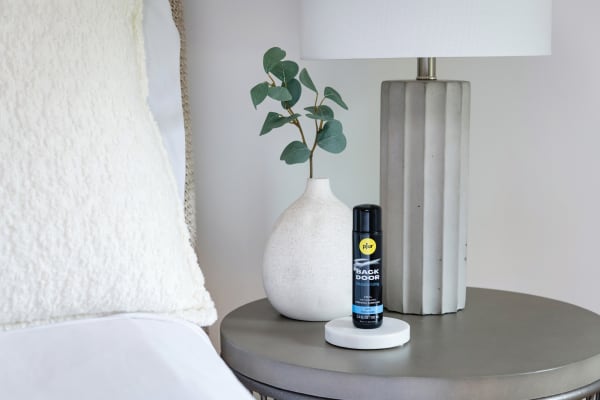
Generally speaking, silicone-based lubricants are better for anal sex; however, silicone lubes can’t be used with silicone toys – so if you’re going to be using silicone toys during your anal exploration, you’d want to use something like pjur’s BACK DOOR Moisturising water-based lube designed for anal sex.
A note about toys: Similarly to lubricants, they are not all created equal, and some materials are better than others in terms of what you’re putting inside of your body. Generally speaking, you want to use body-safe (or medical-grade) silicone, stainless steel, borosilicate glass, or ABS Plastic. Ideally, the plastic isn’t going inside anyone’s body. And as noted above, you can’t use silicone lube on a silicone toy. Another important reminder about sex toys is the hygiene – they are breeding grounds for bacteria. Wash them before and after every use, and try to store them in their own bag/container, away from other toys (especially if they’re silicone). You can use mild, unscented soap and water, or use a toy cleaner like pjur TOY CLEAN.
Another important intimacy tip? Aftercare.
Aftercare refers to the intentional care that happens after sex, intimacy, or vulnerability.
In BDSM contexts, aftercare is an explicit and negotiated part of a scene. It’s designed to help the body and nervous system settle after intense physical or emotional activation through things like grounding touch, reassurance, hydration, or snuggles.
Outside of BDSM, aftercare can look like cuddling, checking in, or sharing appreciation. In both cases, aftercare supports emotional regulation, reinforces safety, and helps intimacy continue outside of sex. Research suggests that sexual and relationship satisfaction reinforce one another over time, meaning how partners care for each other outside of sex directly shapes how pleasurable sex feels inside it (Byers, 2005).
A Final Note on Toys, Lube, and Care
If you’re using toys or lube, cleaning matters. Common questions include:
- How often should you clean sex toys?
- Can lube damage sex toys?
- How to clean sex toys with water-based or silicone lube on them?
A lot of people wonder how often they should clean sex toys or whether lube can damage them, and the short answer is that toys should be cleaned before and after every use, and yes, certain lubes can affect certain materials.
A Valentine’s Day Wrap-Up, Therapist-Style
Valentine’s Day sex doesn’t need to be perfect. In fact, most things are not ever going to be perfect. Let your Valentine’s Day sex be intentional and meaningful.
Trying new sex positions can be a way of saying, “I’m curious about you. I want to stay connected. I want to learn with you.” That kind of intention builds intimacy far beyond a single night.
Whether you try one new idea or simply bring more presence to what already works, let this Valentine’s Day be about a shared experience with your partner(s), rather than a performance. I know it may sound corny, but pleasure grows where curiosity, communication, and care meet.
FAQs About Valentine’s Day Sex Positions
What are the best sex positions for Valentine’s Day?
The best positions are the ones that support connection and pleasure for you and your partner. For many people, that means face-to-face or side-lying positions that allow communication and closeness.
How to spice up Valentine’s Day in the bedroom?
Spicing things up doesn’t require extreme novelty. Small changes like a new position, added lube, intentional pacing, or playful communication can spice things up. Or, go big. Try something new that both of you are interested in experiencing!
What sex positions increase intimacy and pleasure?
Intimacy and pleasure increase with positions that allow eye contact, shared control, and emotional presence. Research suggests novelty paired with emotional safety can support closeness over time (Muise et al., 2019).
References
Byers, E. S. (2005). Relationship satisfaction and sexual satisfaction: A longitudinal study of individuals in long-term relationships. Journal of Sex Research, 42(2), 113–118.
Herbenick, D., Eastman-Mueller, H., Fu, T. C., Dodge, B., Ponander, K., & Sanders, S. A. (2022). Associations between sexual communication and sexual satisfaction: A meta-analysis. Archives of Sexual Behavior, 51(3), 1351–1371.
Mallory, A. B., Stanton, A. M., & Handy, A. B. (2019). Couples’ sexual communication and relationship satisfaction: A dyadic perspective. Journal of Social and Personal Relationships, 36(7), 2177–2197.
Muise, A., Schimmack, U., & Impett, E. A. (2019). Sexual frequency predicts greater well-being, but more is not always better. Social Psychological and Personality Science, 7(4), 295–302.
About the Author

With a Master’s Degree in clinical psychology, Rachel has worked with thousands of clients worldwide, earning a reputation for her empathetic and humorous approach. Her message has resonated with audiences on stages across the globe, as well as on her podcast, The Wright Conversations - A Podcast About Sex, Relationships, & Mental Health. With over 100k downloads, the podcast has garnered widespread attention and featured interviews with experts in sex, relationships, mental health, and their intersections.
Rachel is also a seasoned educator and coach, having created the virtual workshop series What You Wish You Learned in School: Sex Ed and co-produced and hosted a show at Green Room 42 in NYC called “One Night Stand: A Night for Sexier & Healthier Broadway.” She was also SHAPE Magazine’s Sex + Relationships Coach and is currently serving as adjunct faculty at Yeshiva University teaching two graduate level courses in their Master’s of Mental Health Counseling program.
As a widely recognized mental health and relationship expert, Rachel has been featured in numerous media outlets, including The New York Times, PIX 11 (NYC), Women’s Health (online and print), Cosmopolitan (online and print), and NBC News Radio, among others. Rachel's personal touch, sense of humor, and deep empathy make her the perfect guide for anyone seeking to improve their mental health, relationships, and sexual well-being. Rachel currently lives in New York City with her wife and two kids. When she's not working, you can probably find her in her pajamas, seeing live theatre, eating gluten-free food or belting out show tunes. Connect with Rachel on Instagram @thewright_rachel or visit her website, www.rachelwrightnyc.com to learn more.
Photo credits: iStock_000008082328