Create Intimacy Rituals at Home: Enhance Your Connection Using Lube and Simple Practices

From general holiday stress to Seasonal Affective Disorder, winter can challenge our emotions and our relationships. Fireplaces and falling snow are romantic for some, while others may feel a sense of dread toward the dark, cold months. The holidays heighten nearly everything: emotions, expectations, sensory stimuli, and relationship dynamics. You might be the relative who hosts all the family parties, the parent who single-handedly decorates, cooks, and cleans to maintain the “holiday magic,” or the person who is grieving a lost loved one during the darkest months of the year.
Central to the holidays are rituals, traditions, and nostalgia for the things we’ve experienced since childhood. These experiences can leave a sort of “energetic imprint” that brings intense emotions of joy, anxiety, or excitement that can translate into adult sexuality. The “high” of the holidays can lead to an emotional “crash” in January, when the string lights dim and spring sunshine is still months away.
Like sexuality, the winter season is deeply personal and everyone experiences it differently. This makes the season ripe for feelings of stress, isolation, and misunderstanding; and makes it one of the most important times of year to connect meaningfully with your partner.
The Science of Stress and Sexuality
Research indicates a link between stress and sexual desire, arousal, and satisfaction. Among other factors, stress was found to be associated with “decreased sexual arousal…and with difficulties in communicating with one’s partner…which led to lower satisfaction with the sexual relationship” (Sánchez-Fuentes et. al, 2014). Certain communities might feel different levels of stress: married couples in Singapore, a society with high expectations for work performance, found “strong negative effects of both stress and fatigue” on sexual spontaneity (Tan, 2021).
Minority stress and stigma can add greater complexity to sexual well-being: according to one study, “minority stress may lead to diminished sexual satisfaction among gay/lesbian and bisexual individuals” (Croteau & Morrison, 2025).
The “Dual Control Model” of sexual response, created by Drs. Bancroft and Janssen and popularized by Dr. Emily Nagoski, illustrates how people respond to stress and sexual arousal in different ways. If we imagine one’s sexual self as a car, consider sexual excitation to be the “gas” and sexual inhibition as the “brakes.” For some, stress can press on their sexual “gas,” increasing their desire to have sex. For others, stress sends their “car” to a screeching halt, and sex is the last thing on their mind.
While these studies paint a clear, albeit bleak, picture of stress’s impact on sexual well-being, there is a light at the end of the tunnel. An interdisciplinary team of researchers in psychology, neuroscience, and public health at the University of Vienna found indications of “bidirectional associations” between stress, sexual desire, and arousal (Mües et al, 2025). In layperson’s terms, this means that, while stress can impact sexuality, sexuality can influence stress levels in return.
What are intimacy rituals, and why do they matter?
Stress can make complex or uncertain tasks feel insurmountable, especially when the holiday to-do list is piling up. As a result, physical and emotional intimacy can often fall by the wayside. Intimacy rituals are simple practices that can, so to speak, give us the greatest bang for our time and energy buck. Rituals in general can reduce stress, as they decrease mental effort and decision-making.
Having a repertoire of intimacy rituals gives our brains a break, allowing us to have a balance of stress-relieving predictability and dopamine-inducing novelty. Rituals can support a sense of importance, and even sacredness, in one’s sexuality. Similar to the nostalgic, anticipatory joy of decorating a Christmas tree, lighting a menorah, or running outside to make snow angels, intimacy rituals can provide the “comfort and joy” many of us seek in winter.
How rituals strengthen emotional and physical bonding
Keeping Bancroft and Jenssen’s Dual Control Model in mind, some folks may feel more sexual when stressed, and others might feel less, or not at all, sexual under stress. Intimacy rituals, therefore, should be crafted to account for these responses. Ask yourself and your partner what you each want: relaxation, quiet time, adventure, movement, something else? Consider what you want to avoid, as well: to make a complex plan, to cook, to be grilled about your relationship by (insert nosy relative)? Getting curious about your desires, boundaries, and limits can help you build easy and sustainable intimacy rituals with your partner. Creating practices for both of your well-being helps give you and your partner a sense of accomplishment and teamwork.
While holiday stress can make some people feel isolated and misunderstood, co-created intimacy rituals remind you and your partner that you’re on the same side.
How to create meaningful intimacy rituals at home
I like to envision a Pleasure Spectrum: sensory sources of pleasure on one end, sensual pleasures in the center, and straightforwardly-sexual pleasures on the other end. Sensory rituals take the pressure off of “having sex,” per se, and give partners permission to unwind and be present in their bodies. Sensual rituals can have an erotic undertone, encouraging playfulness and seduction without requiring sex. Sexual rituals allow partners to enjoy their eroticism with a balance of familiarity and exploration.

Sensory Intimacy Rituals: Building Consistency Without Pressure
Get cozy with sensory comforts
Imagine the coziest you could possibly be. What do you see, feel, hear, smell, and taste? Do you have blankets, tea, music, scented candles, a favorite show on? Engaging in sensory comforts invites you and your partner to calm your minds and come back to your bodies. This could look like:
- leaving sensory pleasures in a basket for easy access
- surprising your partner with that Cigarettes After Sex record they’ve been eyeing
- making (or ordering) their favorite comfort food
Enjoy quiet downtime together:
The holidays can bring out the introvert in many of us. For folks who find the holiday season overstimulating, making time to decompress together can be the most meaningful intimacy of all. Downtime with a partner might look like:
- watching a movie and cuddling on the couch
- going for a quiet nature walk
- being “alone together” by doing your own thing while in each other’s presence (think: reading books next to each other, or one person writing in their journal while the other knits)
Explore your inner cinephile:
Watching old holiday movies is one of my favorite parts of the season, especially when I’m looking for something equal parts comforting and inspiring. Depending on your mood, watching a movie can be a relaxing way to unwind, a conversation starter for intellectual connection, or erotic inspiration. Each story offers a different emotional landscape:
- Christmas Holiday (1944) for a haunting film noir
- Bell, Book and Candle (1958) for an unexpected love story
- The Preacher’s Wife (1996) for a heartwarming rom-com about faith and family
- It’s a Wonderful Life (1946) to remember, as they say on social media, “the whole point”
Emotional intimacy:
Communicating your feelings can help you feel close with your partner. Emotional intimacy rituals can include:
- sharing beliefs, concerns, and hopes for the holidays
- reflecting on needs, boundaries, and limits
- sharing things you’re grateful for
- sharing or creating a holiday tradition
- reflecting on individual and partnered goals for the future
- holding space (cue Ariana Grande’s hand on Cynthia Erivo’s finger) for emotional release
Sensual Intimacy Rituals: Prioritizing Intentional Touch Over Routine
Sensuality is a cozy halfway point between sensory stimulation and sexual expression, inviting playful eroticism and romance without the pressure of having sex. Whether you’re lacking time, desire, or energy for sex or want to engage with your partner in new and creative ways, sensuality rituals offer seductive and exciting ways to connect. Sensual intimacy rituals can include:
Engaging the mind:
Erotic card games invite you to explore intimacy of the mind. Each card asks an intimate question or invites you to share a sensual story with your partner. Erotic card games can help you connect with a long-distance or traveling partner, or can serve as intellectual foreplay.
Engaging the body:
Sensual movement can help you connect with your own body and your partner’s. Dance to music, sing along if you want, and invite your partner to sway and move with you. You might have favorite artists for certain moments (personally, I love dancing to Dean Martin while I cook dinner), or you might make a playlist of the songs that inspire you. Your dancing could be silly, romantic, seductive, or if you're creative, a mix of all three. In contrast to many aspects of the holiday season, you’re free to choose the mood that suits you without pressure or expectations.

Exchanging massages:
pjur BASIC Silicone doubles as an silicone-based massage lubricant, saving space in your mental packing list and your carry-on. If you feel drawn to a different kind of intimacy, giving or receiving a massage can provide feelings of closeness, nurturing, and care with your partner. Massage merges the physical and emotional aspects of intimacy, encourages communication about where, how, and what feels good, and can serve as foreplay or a fulfilling act of intimacy on its own.
Kink and BDSM:
For kinky or kink-curious folks, the holidays are ripe with sensual inspiration. When exploring kink and BDSM, make sure you communicate with your partner before, during, and after. Discuss each of your limits, do a 'Yes/No/Maybe' list, and establish a safe word or safe gesture beforehand. Kink can fall anywhere along the pleasure spectrum, and can be as gentle or intense as you’d like. Not-necessarily-sexual kink can include bondage play (like rope), sensory deprivation play (like blindfolds), and temperature play (like candle wax or ice cubes).
Kink can help you and your partner support each others’ sensory and emotional needs: rope play can make some folks feel lovingly “held,” (Mistress Couple, 2019), and sensation play can increase “corporeality,” or feeling more present in one’s body (Turley, 2016).
Sexual Intimacy Rituals: Making Space for Playfulness and Exploration
Many aspects of the holidays have sexual undertones. The characters, traditions, and tales many of us grew up with involve taboo contrasts that can intensify novelty and arousal: wholesomeness and sexuality, reward and punishment, and “naughty” and “nice,” to name a few (Randall et. al, 2025). These dichotomies can often feel dangerous and forbidden, yet safe and familiar, making the holidays an erotic landscape for many people. As with everything in sex (and in life, I would argue), make sure you communicate with your partner and mutually consent before trying anything. Sexual intimacy rituals specific to the holidays can include:
Role play:
Perhaps one of the more “mainstream” kinks, role play inspires curiosity, fun, and exploration. Especially in a season that is serious for so many, role play can lighten the mood and allow you to explore different dynamics, identities, and aspects of yourself. Your role play can be general, like caretaker and receiver, or you can get more holiday-specific with character play.
Costume and character play:
Many holiday characters translate into erotic archetypes: Santa is often sensualized as a daddy or caretaker doling out reward and punishment, and Mrs. Claus can embody a nurturer, caretaker, or mommy role. Figures from mythology, like Grýla and Krampus, can symbolize punishment, sadism, and masochism. Playing with the erotically-charged themes of these characters can be a fun, lighthearted way to connect with your partner during the holidays.
Power dynamics:
Similar to taking on roles through costume, many holiday characters can easily translate into kinky power dynamics. The holidays are rife with religious messages, gender roles, and traditional expectations that power dynamics can play into or rebel against. You might play with the idea of a sensual Krampus who punishes someone who’s been naughty, a dominant Santa who rewards someone who’s been good, or a nurturing Mrs. Claus taking care of a wayward elf. Whatever your holiday fantasies might be, dynamics of taking or surrendering control, submitting to (or rebelling against) gender roles, and playing into (or playing against) binaries of “good” and “bad” can be fun, and even potentially healing, ways to connect with yourself and your partner.

Erotic gift giving:
A private gift exchange of sex toys, tools, and sexual wellness supplies can be a fun holiday tradition. Shop for gifts together as intimate bonding, or surprise your partner (with their consent of course). Try the toys and tools together to add novelty to your intimate life (sexy Santa outfit optional).
Dream dates:
If you’d like a breather from the holiday chaos, take turns sharing your ideal date (at home or out), from beginning to end. Allow your imagination to flow, and share whatever ideas come to you with your partner. If you can, share why each aspect of the date is important to you (for example, slow dancing feels romantic, showering together is comforting, going to a museum sparks your curiosity). Remember that everything before sex is foreplay, for hours and even days before. Exchanging dream date ideas allows you and your partner to understand each other’s ideal sexual contexts, which can increase intimacy and sexual satisfaction.
How Can Lube Enhance Intimacy Rituals?
Comfort is key for enjoying the holidays, and for intimacy rituals. Lube can increase comfort and pleasure during penetration (Herbenick et. al, 2011) and add extra slip to sex toys. For neurodivergent people and folks who are sensitive to sensory stimuli, finding the right lube may improve sensory experiences during sex (McCartney, 2023).
 Choosing the right lube for your ritual
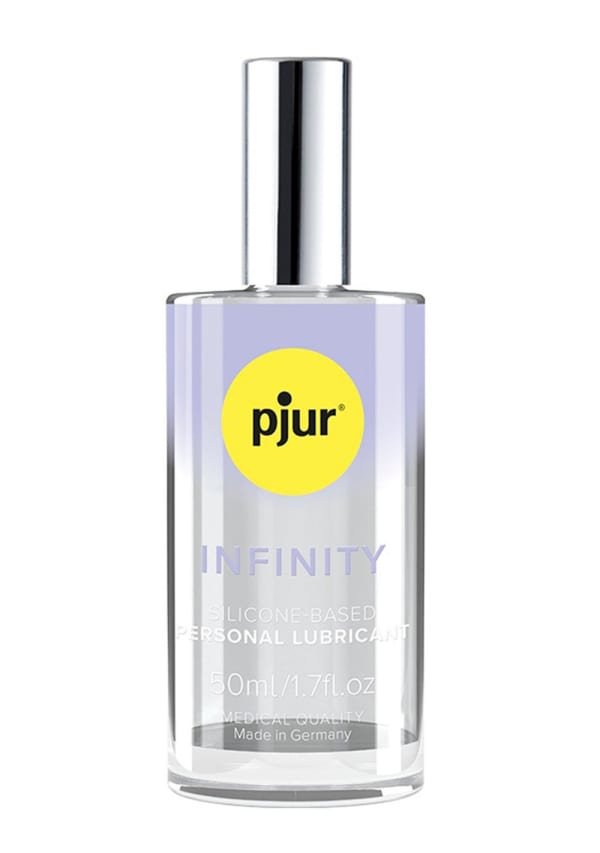
Gentle water-based lubes, like pjur med SENSITIVE, are ideal for folks who want a toy-compatible, condom-safe option without potentially irritating ingredients like glycerine. Silicone–based lubes like pjur ORIGINAL, pjur INFINITY silicone-based, and pjur LIGHT are long-lasting (as they do not absorb into the skin) and ideal for vaginal or anal penetration, with condoms, or with non-silicone toys.
Choosing the right lube together can even be an intimacy ritual in and of itself!
How to Refresh Intimacy Rituals as Your Relationship Evolves
Personal and sustainable intimacy rituals can allow you and your partner to connect meaningfully amidst the rush of work parties, family visits, and white elephant parties. As you spend more winters together, check in with your partner about each of your needs, desires, and limits, and craft your intimacy rituals around them. Getting curious about what winter and the holiday season mean to your partner lets you learn more about each other and deepens your connection.
Exploring sensory comforts, sensuality, and sexual wellness tools can make the season feel less stressful and more like the most wonderful time of the year.
About the Author:

Photo credits: shutterstock_573174106, pexels-mikhail-nilov-6530738, shutterstock_527360602
References:
Lori Brotto, Sandrine Atallah, Crista Johnson-Agbakwu, Talli Rosenbaum, Carmita Abdo, E. Sandra Byers, Cynthia Graham, Pedro Nobre, Kevan Wylie, Psychological and Interpersonal Dimensions of Sexual Function and Dysfunction, The Journal of Sexual Medicine, Volume 13, Issue 4, April 2016, Pages 538–571, https://doi.org/10.1016/j.jsxm.2016.01.019
Croteau, T. A., & Morrison, T. G. (2025). The Relationship Between Sexual Minority Stress and Sexual Satisfaction: A Meta-Analytic Review. The Journal of Sex Research, 62(6), 1100–1112. https://doi.org/10.1080/00224499.2024.2390092
Lisa Dawn Hamilton, Cindy M. Meston, Chronic Stress and Sexual Function in Women, The Journal of Sexual Medicine, Volume 10, Issue 10, October 2013, Pages 2443–2454, https://doi.org/10.1111/jsm.12249
Hamilton, L. D., & Julian, A. M. (2014). The Relationship Between Daily Hassles and Sexual Function in Men and Women. Journal of Sex & Marital Therapy, 40(5), 379–395. https://doi.org/10.1080/0092623X.2013.864364
Janssen E, Bancroft J. The Dual Control Model of Sexual Response: A Scoping Review, 2009-2022. J Sex Res. 2023 Sep;60(7):948-968. doi: 10.1080/00224499.2023.2219247. Epub 2023 Jun 2. PMID: 37267113.
Karl, J.A., Fischer, R. Rituals, Repetitiveness and Cognitive Load. Hum Nat 29, 418–441 (2018). https://doi.org/10.1007/s12110-018-9325-3
Lang, M., Krátký, J. & Xygalatas, D. Effects of predictable behavioral patterns on anxiety dynamics. Sci Rep 12, 19240 (2022). https://doi.org/10.1038/s41598-022-23885-4
Costa VD, Tran VL, Turchi J, Averbeck BB. Dopamine modulates novelty seeking behavior during decision making. Behav Neurosci. 2014 Oct;128(5):556-66. doi: 10.1037/a0037128. Epub 2014 Jun 9. PMID: 24911320; PMCID: PMC5861725.
Hanna M Mües, Charlotte Markert, Anja C Feneberg, Urs M Nater, Bidirectional associations between daily subjective stress and sexual desire, arousal, and activity in healthy men and women, Annals of Behavioral Medicine, Volume 59, Issue 1, 2025, kaaf007, https://doi.org/10.1093/abm/kaaf007
Debra Herbenick, Michael Reece, Devon Hensel, Stephanie Sanders, Kristen Jozkowski, J. Dennis Fortenberry, Association of Lubricant Use with Women’s Sexual Pleasure, Sexual Satisfaction, and Genital Symptoms: A Prospective Daily Diary Study, The Journal of Sexual Medicine, Volume 8, Issue 1, January 2011, Pages 202–212,https://doi.org/10.1111/j.1743-6109.2010.02067.x
McCartney, S. (2023, June 18). Understanding Neurodiversity and S-x. Sexual Health Alliance. https://sexualhealthalliance.com/nymphomedia-blog/understanding-neurodiversity-and-s-x
Mistress Couple. (2019, March 30). The psychology of bondage: Why do people like to be restrained?. Salon.https://www.salon.com/2019/03/30/the-psychology-of-bondage-why-do-people-like-to-be-restrai ned/
Puszcz A, Platnikow M, Antos Z, et al. (November 18, 2025) Sexual Functioning in Individuals With Attention-Deficit Hyperactivity Disorder: A Narrative Review. Cureus 17(11): e97194. doi:10.7759/cureus.97194
Randall, A., Hilbert, A., Anderson, K., Ratcliff, S., Miley, E., & Nickeson, Z. (2025, Dec. 14). Santa Baby: Solstice Kinks and Naughty Winks [Panel presentation in TASHRA Clinical Training], virtual.
Tan, P.L. Stress, Fatigue, and Sexual Spontaneity Among Married Couples in a High-Stress Society: Evidence from Sex Diary Data from Singapore. Arch Sex Behav 50, 2579–2588 (2021). https://doi.org/10.1007/s10508-020-01848-y
Turley, E. L. (2016). ‘Like nothing I’ve ever felt before’: understanding consensual BDSM as embodied experience. Psychology & Sexuality, 7(2), 149–162. https://doi.org/10.1080/19419899.2015.1135181