A Guide to Overlooked Erogenous Zones and Pleasure Mapping

When you think about erogenous zones, a few familiar spots probably come to mind. But pleasure isn't limited to the obvious areas. Your body has plenty of sensitive places that might respond to touch in ways you've never explored before.
Here's the interesting part: what feels amazing to one person might feel completely ordinary to someone else. Even your own preferences can change depending on your mood and comfort. That's where pleasure mapping comes in. Instead of following a predefined list of hotspots, you get to discover what actually feels good for your body. Whether you're exploring alone or with a partner, this guide will help you find overlooked erogenous zones, experiment with different sensations, and create your own personal pleasure map.
What are Erogenous Zones?
Erogenous zones are areas of the body that may respond to touch with pleasurable or sexually arousing sensations. Some are familiar, while others are easily overlooked. Nine of the most overlooked erogenous zones are explained below, so read on for more information!
Are Erogenous Zones Different for Everyone?
Absolutely! Some people love gentle touches along their neck, while others find the same sensation ticklish or distracting. There's no universal erogenous zone map that works for every body. Your preferences depend on individual sensitivity and personal experiences.
Genital vs. Non-Genital Erogenous Zones
Genital erogenous zones, including the clitoris, penis, and surrounding areas, are commonly associated with sexual pleasure. But non-genital erogenous zones can be just as interesting to explore. Think about your inner wrists, lower back, or the backs of your knees. Exploring these areas creates opportunities for whole-body pleasure without focusing exclusively on sexual stimulation.
What is Pleasure Mapping?
Pleasure mapping, sometimes called body mapping or sex mapping, is a way to discover which areas of your body respond positively to different types of touch. Instead of assuming you already know your favorite spots, you explore them intentionally. The goal isn't necessarily arousal or orgasm. It's about understanding your body and recognizing what you enjoy.
Pleasure Mapping Is About Curiosity, Not Performance
Pleasure mapping is about curiosity, not achieving a particular result. Every sensation offers useful information.
Try asking yourself:
- Where does touch feel particularly pleasant?
- Do I prefer light strokes, steady pressure, or slow massage?
- Does the same touch feel different on different parts of my body?
The more you notice these differences, the easier it becomes to understand and communicate your preferences.
Pleasure Mapping vs. Sensation Play
Pleasure mapping and sensation play both encourage you to explore different sensations, but their focus is slightly different. Pleasure mapping helps you identify your body's preferences, while sensation play involves experimenting with sensory experiences such as textures or temperatures. Learn more in our guide about sensation play.
9 Overlooked Erogenous Zones worth Exploring
Your body offers plenty of opportunities for discovery beyond the genitals. Here are nine areas worth including in your pleasure map.

1. The Scalp
A gentle scalp massage can feel deeply relaxing. Try slow circular movements with your fingertips or lightly run your fingers through your partner’s hair.
2. The Ears
The outer ears and earlobes can be sensitive to light touch. Try softly tracing their edges with your fingertips.
3. Neck and Collarbone
Gentle strokes along the sides of the neck or across the collarbone can create pleasant sensations. Experiment with light touch and comfortable pressure but avoid the front of the throat.
4. Inner Wrists and Forearms
These often-overlooked areas are ideal for experimenting with gentle fingertip movements. Compare a light stroke with a slow, steady glide.
5. Chest and Nipples
Sensitivity varies significantly here. Some people enjoy gentle contact, while others prefer broader touch across the chest.
6. Lower Abdomen and Hips
Try slow movements across the lower abdomen or along the hips. These areas can be interesting for exploring anticipation without immediately focusing on the genitals.
7. Inner Thighs
Light strokes or gentle massage along the inner thighs can feel pleasant, especially when you vary pressure and pace.
8. Buttocks and Perineum
The buttocks may respond well to broad massage or gentle pressure. The perineum is another potentially sensitive area that can be explored when comfortable and mutually agreed upon.
9. Feet, Ankles, and Backs of Knees
A gentle foot massage or light touch around the ankles and backs of the knees may reveal unexpected preferences.
These zones aren't exclusive to any gender. For more specific techniques, explore our guide to male masturbation techniques.

How to Find Your Erogenous Zones Through Solo Pleasure Mapping
You don't need a partner to create your personal pleasure map. Exploring alone can actually make it easier to focus on your sensations without worrying about anyone else's expectations.
Step 1: Start Somewhere Neutral
Choose a comfortable, private setting where you won't feel rushed. Begin with an area you don't normally associate with sexual pleasure, such as your forearm, shoulder, or calf. Slowly move your fingertips across the skin. Does the touch feel relaxing, pleasant, ticklish, or simply neutral? There's no wrong answer.
Step 2: Experiment with Pressure and Pace
Now try three different types of touch on the same area and notice how the sensations differ:
- Light touch: Gently brush your fingertips across the skin.
- Steady pressure: Use your palm to apply comfortable, consistent pressure.
- Smooth glide: Add a little suitable lubricant and repeat a slow movement.
Step 3: Create Your Personal Pleasure Map
Write down which areas and types of touch you enjoyed. For example: "Inner forearms: light strokes. Shoulders: firmer pressure." Your notes can help you recognize your preferences over time.
How to Pleasure Map with a Partner
Exploring together can turn pleasure mapping into a playful exercise in communication and connection. The key is to approach it as a shared discovery rather than a test of how well you know your partner's body.
Discuss Boundaries Beforehand
Before you begin, talk about which areas you're comfortable exploring and whether anything is off-limits. Remember that either person can pause, redirect, or stop at any time.
Make Feedback Part of the Fun
Simple phrases like "A little slower," "That pressure feels great," or "Could you move slightly lower?" can make communication feel natural. Don't assume you can always interpret your partner's reactions. Asking directly is often the easiest way to understand what they enjoy. For more ways to build anticipation and connection, explore our foreplay inspiration for couples.
Try a 10-Minute Pleasure Mapping Exercise
Here's an easy exercise to try together:
- Minutes 1–2: One partner gets comfortable while the other begins with an agreed-upon area, such as the shoulders or arms.
- Minutes 3–5: Experiment with light strokes, gentle pressure, and slow movements.
- Minutes 6–8: Ask for feedback and adjust the touch accordingly.
- Minutes 9–10: Share what felt particularly enjoyable and what you'd like to explore again.
Then switch roles if you'd both like to continue.
How Lube Changes the Way Touch Feels Across Erogenous Zones
Here's an interesting way to take your pleasure mapping further: repeat the same movement with and without lubricant. Lube doesn't create new erogenous zones, but it can change how touch feels by reducing friction and allowing smoother movements across the skin.
Dry Touch vs. Lubricated Touch
Dry touch creates more resistance between your fingers and skin. This can feel pleasant, particularly during gentle pressure or shorter movements. Lubricated touch offers a different experience. Your hands glide more smoothly, making it easier to explore long, continuous strokes. Neither is automatically better. Try both and notice which sensation you prefer.
 Can Lube Increase Sensitivity?
Lubricant doesn't necessarily make your skin more sensitive. However, it reduces friction, which can change how you perceive touch and may make certain movements more comfortable or enjoyable.
Water-Based vs. Silicone-Based Lubricant
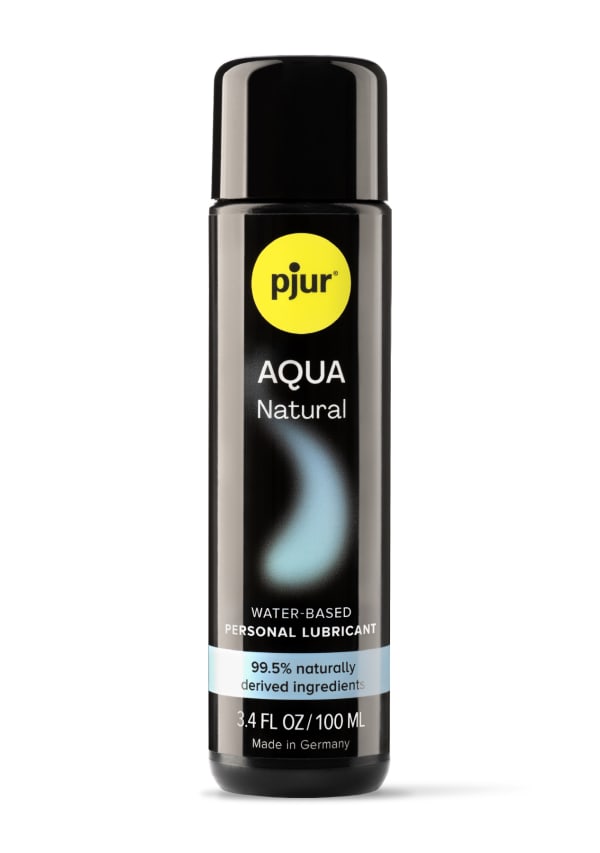
Both types can be useful, depending on your preferences. Water-based lubricants are versatile for body exploration, and their residue is easy to rinse off. They're also generally compatible with sex toys. A water-based lubricant such as pjur TOY GLIDE can be an option for experimenting with different types of touch and involving sex toys.
Silicone-based lubricants provide a silky, longer-lasting glide, making them particularly interesting for extended touch and sensual massage. A formula such as pjur ORIGINAL can support smooth, continuous movements.
How Much Lubricant Should You Use?
Start with a small amount and spread it between your hands before touching the skin. You can always add more if needed. The goal isn't to use as much as possible, but to find the amount that creates the sensation you enjoy.
How to Give an Erogenous-Zone Massage
A sensual massage is another way to put your pleasure map into practice. Unlike a traditional massage focused on muscle tension, it encourages you to pay attention to pleasurable touch and individual preferences.
Warm the Lubricant in Your Hands
Warm a small amount of silicone-based lubricant between your palms before beginning. Start with broad, comfortable movements across an agreed-upon area, such as the shoulders or upper back. Ask whether the pressure feels good before continuing.
Move From Broad Pressure to Focused Touch
Once you've established a comfortable rhythm, experiment with smaller movements. For example, begin with broad palm movements across the shoulders, then switch to slow fingertip strokes along the upper arms. Notice whether your partner enjoys the change or prefers the original movement.
Let the Massage be the Main Event
A sensual massage doesn't need to lead to sexual activity. Focus on what feels good in the moment. You might discover that a slow shoulder massage or gentle hand massage is one of your favorite ways to connect. Sometimes the simplest discoveries are the most meaningful.
Can Erogenous Zones Change Over Time?
Absolutely. Your body's response to touch isn't necessarily fixed. Factors such as hormonal changes, aging, medications, stress, and physical changes may influence sensitivity and personal preferences.
Your mood also matters. Think about how differently a massage can feel when you're stressed compared with when you're relaxed. Rather than assuming an old favorite will always feel the same, give yourself permission to rediscover your preferences. If you experience persistent pain or unexpected changes in sensation, consider speaking with a healthcare professional.
Conclusion: Your Body Is More than a Checklist of Hot Spots
Discovering erogenous zones isn't about memorizing the right places to touch. It's about becoming more curious about your own body and more attentive to the person you're sharing intimacy with. So why not start small? Choose one overlooked area, experiment with different touches, and notice what feels good. Try the same exercise with a partner or introduce a little lubricant for a smoother sensation.
Pleasure mapping isn't about finding the perfect pleasure map. It's about creating one that's uniquely yours.
Ready to explore? Discover pjur's personal lubricants and find a glide that complements your favorite ways to connect and enjoy touch.
FAQ: Erogenous Zones and Pleasure Mapping
What are erogenous zones?
Erogenous zones are areas of the body that may respond to touch with pleasurable or sexually arousing sensations. They include genital and non-genital areas, and preferences vary from person to person.
How do you find your erogenous zones?
Explore different body areas with gentle touch. Experiment with pressure, speed, and movement while noticing what feels pleasant. Pleasure mapping can help you recognize your preferences.
How do you create a pleasure map?
Explore one body area at a time and note how it responds to different types of touch. Record your favorite sensations, preferred pressure, and areas you'd like to explore again.
Can erogenous zones change over time?
Yes. Sensitivity and preferences may change due to physical factors, hormones, mood, stress, or personal experiences.
Can lube make erogenous zones more sensitive?
Lubricant doesn't necessarily increase physical sensitivity, but it reduces friction and changes how touch feels.
Can you do pleasure mapping with a partner?
Absolutely! Partnered pleasure mapping involves exploring agreed-upon body areas, sharing feedback, and taking turns giving and receiving touch.
Photo credits: shutterstock_335121251; shutterstock_571054795