Erectile Dysfunction Solutions: How Lubricants Can Help You Reconnect Intimately

Author: Sydney-based Somatic Sexologist Alice Child
Sydney-based Somatic Sexologist and Couples Counsellor Alice Child explains some of the psychological causes for erectile dysfunctions and how using lube can help.
Understanding Erectile Dysfunction and Its Impact on Intimacy
If you - or your partner - has ever experienced difficulty getting or maintaining an erection, let me first reassure you that this is completely normal. In fact, most men will experience erectile difficulty (ED) at some point in their lifetimes.
Having erection trouble from time to time isn't usually cause for concern. However, experiencing ED can be stressful and upsetting, and for many people it becomes an ongoing issue that impacts their confidence, sex life and relationships.
The good news is there are lots of things you can do. If you - or your partner - is struggling with ED the first step is learning more about male sexual health. What a simple tip? Keep reading to discover the tools, products and techniques you can try to help you get out of your head and back into your body.
What Is Erectile Dysfunction?
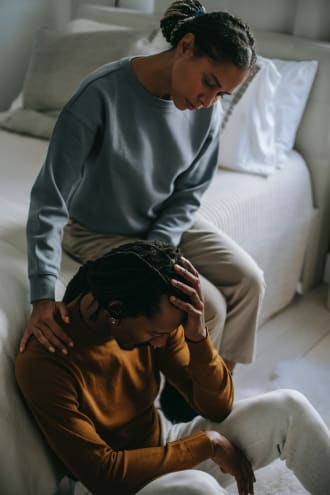
Erectile dysfunction - or Erection Difficulty - is the consistent inability to get or keep an erection during sexual activity. While occasional erection issues are normal, persistent ED can cause a lot of stress and unhappiness.
Most people assume if they are experiencing ED that there must be something physically wrong with them. And while there are lots of physical causes (medication, heart disease, high blood pressure, high cholesterol, diabetes, obesity, smoking, low testosterone, alcohol, prostate cancer and circulation), many of the causes are psychological.
Psychological ED is when somebody with a penis struggles to get or maintain an erection for psychological or emotional reasons - not physical. Some of the most common psychological causes are stress, performance anxiety, and low sexual confidence.
If you are still getting an erection at night or in the mornings, and/or you are still able to get an erection in specific circumstances (e.g. during masturbation or self-pleasure but not during partnered sex), then your erectile difficulties are probably psychological. The fact that your body is still able to give you erections in sleep shows that everything is in fine physical shape, but that something might be blocking you mentally or emotionally. If you notice that your morning erections are less frequent or less rigid it is worth visiting your GP, as it may be a sign of underlying health condition.
Erection Dysfunction Causes and The negative spiral on Emotional and Physical Connection
The issue with psychological ED is, it often becomes a negative spiral. The more you worry about not getting or maintaining an erection, the more stressed you feel going into a sexual experience, and therefore the more likely it is that it will happen again… and again. Over time, it’s very common to start avoiding sex and intimacy altogether - which will not help!
Many factors can feed into this negative spiral including:
-
Stress
Stress is a huge mood killer. When we are stressed our body releases cortisol. This is a hormone that inhibits testosterone - the primary male sex hormone responsible for sex drive and blood flow changes that cause an erection. If we are continually stressed it can start to impact our sex life.
-
Performance anxiety
Similarly, if you are nervous about pleasuring your partner or sexual performance, this performance anxiety can lead to erectile difficulties. The problem is the more you worry about staying hard, the more performance anxiety you get, and it becomes a vicious cycle.
-
Busy mind
When our mind is busy and we are stuck in our head it is much harder to drop into our body and feel pleasure. We might find our mind wandering, or struggle to stay in the moment. This is why mindfulness and meditation can be so important for sexual happiness.
-
Guilt/shame
Most of us were raised in a conservative and sex negative environment, meaning sexual shame and anxiety is very common. When we experience sexual shame, it stops us enjoying the moment and accessing pleasure. Many people who experience ED often get even more embarrassed or shameful when they ‘struggle to perform’, which again becomes a vicious cycle.
-
Self Esteem
Low self-esteem can trigger performance anxiety. The more you worry about your looks, penis-size or body shape in bed, the more stressed you become. All this tension may lead to erectile difficulties. Lack of confidence in the bedroom is a huge contributor to ED
-
Porn reliance
If you become over reliant on audiovisual stimulation such as porn, erotica or fantasies to build arousal and erections, you might struggle to achieve the same sexual response in other situations - e.g. during partnered sex. This is why mixing it up and trying new things during self-pleasure is so important. It’s especially important to use lube during self-pleasure because this more closely replicates the sensations of penetrative sex. On your own try removing the porn gradually, adding lube, reducing your grip strength, and focusing on your physical sensations. This is called ‘mindful masturbation’ and it takes time and practice.
-
No lubricant
If you’re not using lubricant on your own during masturbation, or with your partner, overtime this can increase the symptoms of ED. This is because your body can become very reliant on high friction (without lube) and high fantasy (e.g. with porn) pleasure. Adding lubricant is one way to help you slow down, get out of your head and focus more on pleasurable physical sensations.
-
Relationship strain
If we don’t feel happy or safe in a relationship, or there is a lack of intimacy and connection, our body and nervous system is in a heightened state of alert and up-regulation. All of this tension and stress could result in physical symptoms such as ED
-
Mental illness
Men with clinical depression are about twice as likely to develop ED according to a recent study. If you suffer from any mental illness (e.g. depression/ anxiety) then ED and not being able to ‘perform’ might lead to increased feelings of frustration and stress.
-
Sleep issues
Sleep deprivation and tiredness may cause a man's testosterone levels to dip. Researchers have also suggested that stress and fatigue related to lack of sleep may make sexual problems worse.
What is Sexual Performance Anxiety
Performance anxiety is the pressure to ‘perform’ or please a partner during sex. People of all genders can experience performance anxiety, and it reduces our ability to stay present and in the moment during sex and intimacy.
Performance anxiety is one of the major causes of ED, because it takes people out of the moment and into their head. For men and penis owners, performance anxiety could express itself by having the following thoughts during sex and intimacy:
- Is my partner enjoying this?
- Am I going to get hard?
- Am I hard enough?
- Why isn’t this working?
- Am I doing this wrong?
- Am I big enough?
- Am I losing my erection?
- Does my body look good?
- Am I going to last long enough?
- Am I going to be able to stay hard?
- Am I making strange noises?
- Am I sweating too much?
- Will they laugh at me?
Why Lubrication Matters for Sexual Function
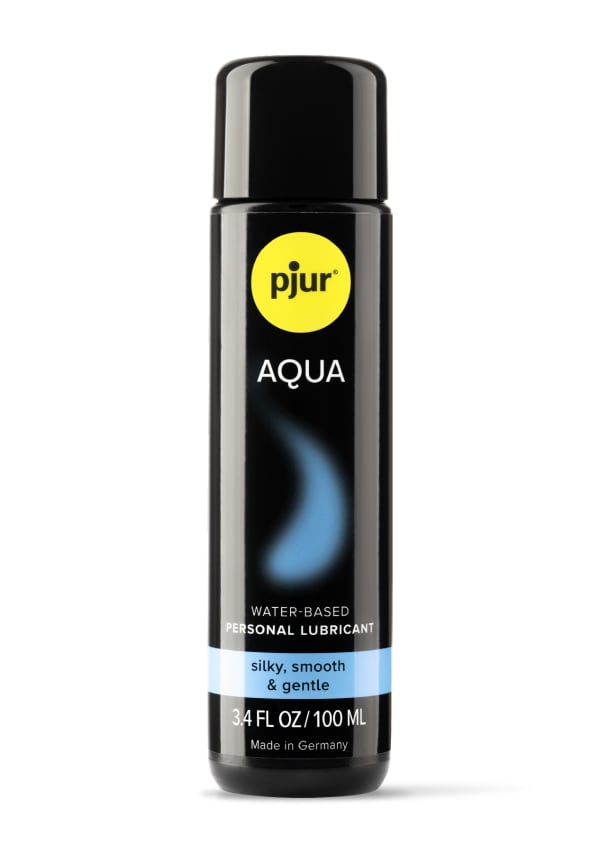
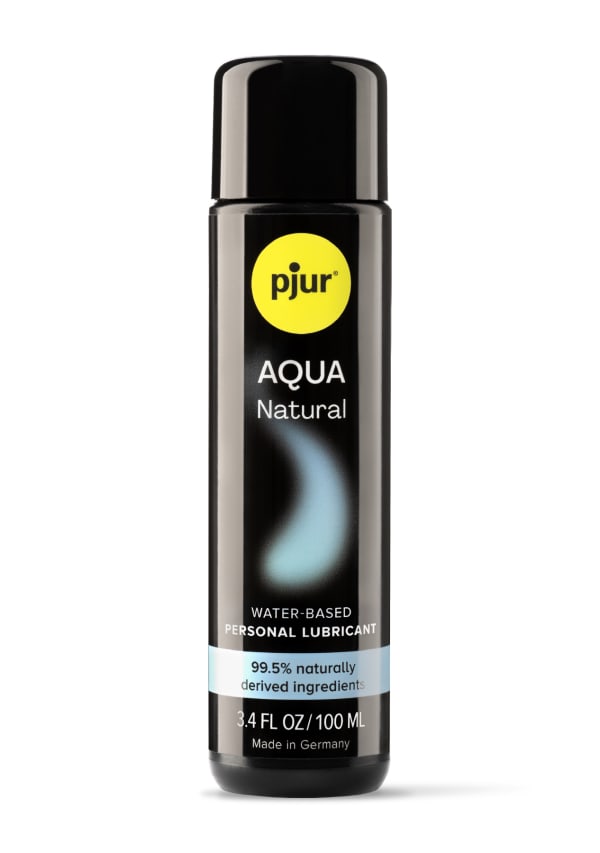
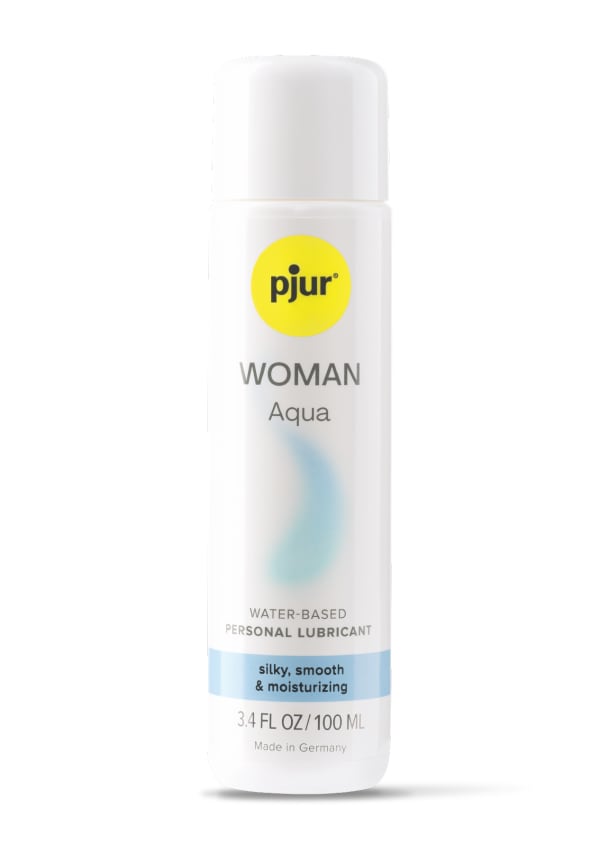
If you think using lube is only for women going through menopause, older people, or for people with vaginal dryness you are very wrong - everyone should be using lube - every. single. time. No matter your age, gender, sexuality or the sexual activity you are about to enjoy (alone or with a partner!), make sure there is always a bottle within easy reach.
No matter what genitals you have between your legs, the reality is that sometimes we can be very turned on and our body doesn’t respond the way we want it to. Arousal doesn’t always lead to lubrication, physical arousal, engorgement, or an erection. Conversely, it’s also possible for our bodies to become physically aroused even when we don’t feel turned on. This is called arousal non concordance - and it’s all very normal.
Plus, menopause and other hormonal changes such as child birth, contraception and medication can also impact natural lubrication leading to vaginal dryness. Even if a woman is enjoying the experience - she might not be getting wet. This can cause a lot of mental stress and physical discomfort - for both partners.
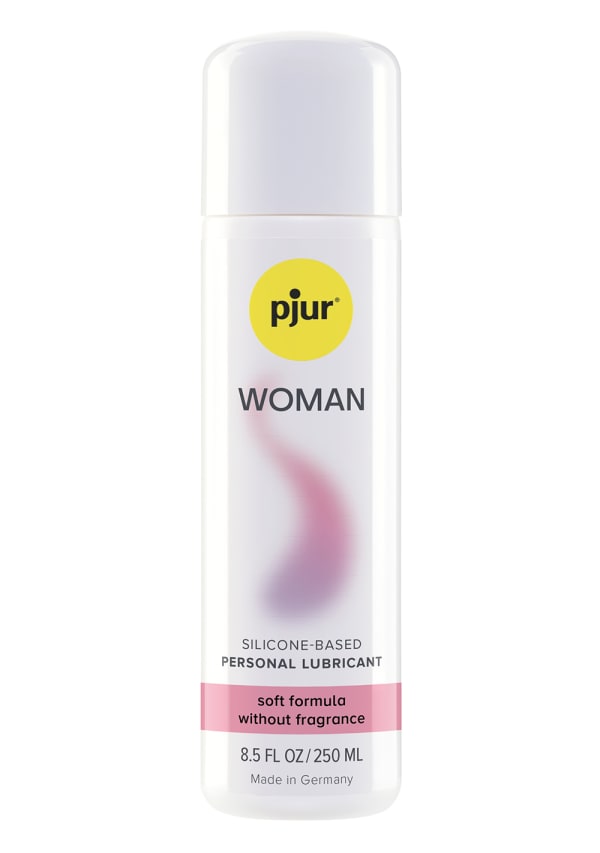
Plus the anus is non-lubricating, so if you are exploring any form of anal pleasure, regularly re-applying a good quality lubricant is essential. Anal sex should never feel painful; remember to go slowly, breathe deeply, and listen to your body. Work up to penetration at a pace that works for you, and invest in a great quality silicone-based lubricant as they last longer.
Even if you’ve never experienced vaginal dryness or arousal non concordance, lube makes everything feel better - not just vaginal penetration. The tissues of the genitals (the penis, vulva, anus and vagina) are incredibly sensitive, meaning stimulus with too much friction will not feel comfortable or pleasurable. We often need to reduce the friction in order for arousal, blood flow, and physical engorgement of the erectile tissues to build. This is true for both the erectile tissues in the penis as well as the erectile tissues in the clitoris/vulva/vagina.
Whether you are enjoying penetrative sex (where a penis or toy is attempting to enter into the body) and/or non-penetrative sex (e.g. genital massage, external self pleasure), a great personal lubricant will be essential.
Lubrication helps reduce unpleasant friction and increase pleasurable sensation. This in turn helps encourage blood flow, arousal and desire to build - both mentally and physically.
The Link Between Arousal and Comfort
Being physically comfortable and mentally relaxed is such a big part of arousal. When we are relaxed and breathing deeply, we trigger our parasympathetic nervous system, which is responsible for blood flow. When we are stressed, anxious and tense, we trigger our sympathetic nervous system - which can worsen the symptoms of ED.
This is one of the many reasons I encourage people to 'set the scene’ before having sex - thinking about things like candles, soft lighting, music, a comfortable temperature, a great personal lubricant in arms reach, and pleasant smells. Appeal to your five senses so that it’s easier for both of you to drop in, feel pleasure, and stay present. A sensory environment helps stimulate relaxation, blood flow, and sexual response.
Hot tip - start sex with a full body massage to help you both feel relaxed and comfortable, and warm up the lube ahead of time so it feels even more relaxing and pleasurable!
How Friction and Discomfort Can Worsen ED Symptoms
If there is too much friction on sensitive erogenous zones like the genitals, it will be really hard to focus on any feelings of physical pleasure. As a result, you might continue to feel ‘stuck in your head’, increasing your physical and mental feelings of tension, stress, and discomfort. This will compound the symptoms of ED.
How Personal Lubricants Support Men with Erectile Dysfunction and performance anxiety
Using a personal lubricant helps create a more pleasurable, relaxed and sensual experience for everyone. This is because the more pleasure you feel, the more present you will feel (i.e. not being in your head!). It reduces pressure for somebody to get 'wet enough' or ‘hard enough’ for penetration, meaning you can get out of your head and focus on the important stuff - enjoying yourselves!
Plus, when the sensations feel novel and pleasurable, it will help you get out of your performance anxiety spiral and instead focus on the pleasure your body is physically experiencing.
Lubrication therefore helps increase your overall mental and physical sexual comfort, which in turn supports physical arousal and sexual response.
Physical Benefits of Lubricants
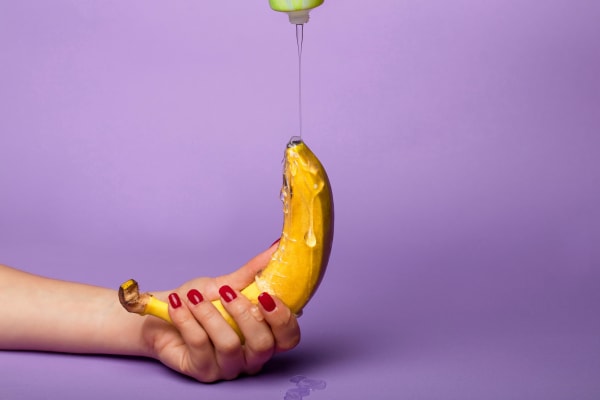
Lubrication doesn't just reduce friction and improve glide - it also enhances relaxation, sensitivity, engorgement, blood flow, and sustains arousal. It also supports your body's natural lubrication, engorgement and physical arousal responses.
You could also explore temperature play using lube. When the lubricant is warm it helps encourage relaxation of the muscles and blood flow into the erectile tissues. When the lubricant is cool, it helps enhance sensation and sensitivity on the skin and nerve endings.
Psychological Benefits of Using Lubricants
Sex is not a performance! It shouldn’t feel like a rush to the finish line, where the main goals are erections, orgasm and ‘performance’. Not only does this feel like a lot of pressure and increases the likelihood of ED, but it also leads to less pleasurable experiences for everyone. Slowing down and trying new things is a huge turn on, and it helps take off the pressure.
One of the many benefits of lube is it helps you get out of a performative mindset, and into a pleasure-based mindset. Instead of getting an erection or experiencing friction with penetration, the goal should be pleasure, curiosity, and trying new things during sex. When we slow down, we can feel more.
How to Use Lubricant Effectively to Enhance Intimacy
Focus on learning how to give and receive more mindful, slow, and pleasurable touch. Take your time outside of the body, exploring new erogenous zones like the clitoris, nipples, inner thighs, vulva, penis, testicals and anus. Using lubricant and massage oils makes all this touch feel more slippery, sensitive and pleasurable!
Avoid putting massage oils with fragrances on your vulva, as they can cause irritations. Instead, stick to a quality lube with medical certification, free of fragrances.
Lubricants can be used anywhere on the body, but they are especially essential for great genital touch, as the skin on the genitals is very delicate and sensitive. Warm it up in the palm of your hand first to help encourage relaxation and blood flow.
Lubricant also enhances giving the ultimate vulva or penis massage. Try a variety of slow, mindful and varied touch techniques, reapplying regularly.
Lube is also great for grinding and moving your bodies against each other. The slidey/glidey feeling of two bodies and genitals moving and rubbing against each other is incredibly erotic - even without any engorgement or erections. Plus, movement is another effective technique for increasing arousal. Win win!
All of this will help you rediscover the joy of sex again - without the fear of ‘failure’ if you don’t get an erection.
Incorporate Lube into Foreplay and Connection
Many women have a strange relationship with lube. They think it means that there is something ‘wrong’ with them or that they don’t 'get wet enough’ on their own. Regardless of gender - many people might feel self-conscious about using lube. Reassure each other that it's normal and shows that you both care and are committed to each other's pleasure. Using lube is not only normal - it’s essential!
Remember that ‘Sex’ is many things, and it doesn’t need to involve penis in vagina penetration (PIV) or PIA (penis in anal) sex at all. Mix up the scripts and redefine sex. There are lots of amazing ways to have sex without penetration!
Try other forms of intimacy that don’t require an erection to feel great: Oral sex, sensual genital massages, using toys, dirty talk, steamy showers, watching porn together, watching each other masturbate, strip teases, reading erotica together, breathwork and tantra - the list is as long as your imagination.
Tips for Open Communication with Your Partner
Talking about sex can feel awkward, vulnerable and uncomfortable - even with somebody we love and trust. But couples who talk openly and frequently about sex are more likely to keep the passion alive in a long term relationship.
If you feel awkward push through the discomfort because great sexual health requires great conversation. The aim is creating a relationship culture where talking about sex is completely normal - just like any other topic! This will increase your feelings of safety, intimacy and connection.
If you suspect you or your partner is struggling with ED, the first thing to do is try and remove any shame, blame or guilt. Approach the conversation with love, respect, and empathy, and create safety to share openly. Talk about how lube for erectile dysfunction can be helpful, or perhaps share this article with them.
Remind yourselves that ED is extremely normal, and silence and shame will make overcoming sexual health problems harder not easier!
Here are some questions you could gently explore, taking turns answering each one:
- What erotic activities do we find fun and relaxing? Think about massage, foreplay and kissing
- What helps with your confidence in the bedroom?
- What touch do you love giving?
- What touch do you love receiving?
- Do you ever get in your head during sex? If so, what distracts you, plays on your mind, or takes you out of the moment?
- What fosters our intimacy and connection?
- Do you ever get nervous or anxious during sex? If so, why? Is there anything I can do to help?
- What unhelpful beliefs about ‘sexual performance’ do we have? Where did they come from? How do they show up?
- What turns you on?
- What helps you stay present and in the moment?
- What products or toys could we explore?
- What environments help us feel relaxed? Think about music, candles, lighting
- Is there anything else that might be going on (work stress / alcohol / porn / sleep troubles etc)
How to Help Your Partner with Erectile Dysfunction and Erectile Dysfunction Solutions
Everyone is responsible for their own pleasure - it is not your job to ‘fix this’ for them. That said, if you think your partner is experiencing psychological erectile dysfunction and/or performance anxiety, there are lots of things you can do which might help. Here are some potential erectile dysfunction solutions, including natural erectile dysfunction support:
-
Communicate!
Remove the cone of silence that often surrounds sex, and create a safe, happy, shame-free environment to talk openly. Reassure them that ED is not a big deal. Practice being really clear about your desires before and during sex, and having chats afterwards about what you enjoyed, what was hot for you, and what you are curious to try next time.
-
Compliment them!
Everyone needs a bit of reassurance now and again, and it can really help with performance anxiety. Practice complimenting your partner during sex, saying things like “I love it when you touch me like that”, “you look so hot right now” and “that feels amazing”.
-
Explore other types of sex and intimacy
If your partner is worried that they will experience ED, try other forms of intimacy that don’t require an erection to feel great.
-
Slow it down
There is no rush! Slow down your sex and intimacy to be more sensual. Allow the desire and pleasure to build at its own pace. Enjoy the journey - not the destination.
-
De-stress the nervous system first
If your partner is stressed, try and encourage them to do some form of physical activity or mindfulness exercise that is designed to help them relax and drop into their body. For example a bath, shower, massage, meditation, walk or a work out.
-
Breathe
A great way to relax and down-regulate the nervous system is to deepen your breath and lengthen your exhale. Practice breathing together with long, slow, deep breaths. This can also be highly arousing and erotic and breathwork is the foundation of erotic practices such as tantra.
-
Talk to an sexology expert for erectile dysfunction help
such as a certified Sexologist. We help people learn the tools for how to build pleasure and desire in the body, such as breath, movement, sound, touch and mindfulness.
-
Get medical support
If you are worried your partner might be suffering from clinical depression, anxiety or another form of mental health concern, encourage them to seek professional help.
-
Mindfulness or meditation
is another useful tool that helps feel more calm , present and connected to our body. These are great skills for anyone experiencing ED. Practice your mind/body connection through mindfulness exercises such as body scans to help you still your mental world and focus on your physical sensations.
When To See a Doctor
Of course, not all ED is caused by psychological or emotional reasons.
ED can be a symptom of many physical health concerns, and there might be something more serious going on.
It’s always worthwhile seeing a GP to check nothing is going on physically, and get erectile dysfunction help. This is especially true if:
- You’re experiencing other heart or circulation-based symptoms
- you notice any emotional changes but are unsure about its reasons
- if you have diabetes, heart disease or another known health condition that might be linked to erectile dysfunction
- or you have other symptoms along with erectile dysfunction
Summary
ED is much more common than people like to admit, and it is very very normal. Everybody experiences times of stress, worry or anxiety in life, and it is only natural for this to affect our sexual well-being. Sadly, the silence, embarrassment and shame that often surrounds these conversations makes the problem worse, not better.
Instead, try to create an environment where pleasure and relaxation is the goal, and remove the pressure for an erection. When you stop fixating on the erection, you will discover that you are still capable of so much pleasure. Adding pleasure products like a great personal lubricant can be incredibly helpful for both your physical and mental pleasure and arousal.
About the author:

She helps individuals and couples improve their intimacy, deepen their connection and navigate the inevitable sex & intimacy challenges that happen in life.
Working out of her own practice in Sydney Mosman and globally via telehealth she creates a safe, welcoming, and trauma-informed space. Her workshops, counselling and couples programs have brought sexual happiness to thousands of people globally.
Alice frequently talks, writes and speaks on a range of sexuality topics and has a monthly column. She has appeared in The Australian, The Daily Mail, Channel 10, Cosmo, Mens Health, Refinery29, Stylist, Body&Soul, Fashion Journal, Daily Star, Stylist, Mamamia, Popsugar among others, and works with universities to remove the taboo around sex education.