The Dangers of DIY Lube: Why Household Products Aren’t Always Safe

We’ve all been there: intimacy is heating up, you reach for the lube… and the bottle is empty. Suddenly, the coconut oil in the kitchen or lotion on the nightstand starts looking like a convenient substitute. But is DIY lube actually safe?
While some household products may feel slippery enough, that doesn’t mean they were designed for intimate use. Products that are perfectly fine on your hands, hair, or dinner table can behave very differently on sensitive tissue. Some may cause irritation, disrupt the natural vaginal environment, or compromise the integrity of certain condoms, increasing the risk of breakage.
So, if you’ve ever found yourself wondering, “What can I use instead of lube?”, this guide is for you. Let’s look at the dangers of homemade lubricant, common household alternatives, and how to choose a personal lubricant that was actually made for the job.
What Is DIY Lube?
DIY lube can mean anything from a homemade lubricant recipe to a household product repurposed as personal lubricant. Coconut oil, petroleum jelly, lotion, cooking oils, aloe mixtures, and even saliva are common examples.
The problem isn’t that every household lubricant will automatically cause an issue; it’s that products not intended for intimate use may not have been formulated or tested with sensitive genital or anal tissue, condoms, or sex toys in mind.
Why People Turn to Homemade Lubes
The appeal is understandable. Maybe you’ve run out of personal lubricant. Maybe you want something that feels more “natural.” Or perhaps an online DIY lubricant recipe promises a simple alternative using ingredients you already have at home.
There’s nothing unusual about looking for an easy solution. But when a product will be used on delicate tissue, convenience shouldn’t be the only consideration.
Intentionally designed lubricants give you something the kitchen cabinet usually can’t: clear information about intended use, ingredients, and compatibility. Unlike purpose-made lubricants such as pjur, household substitutes are also not medical devices developed specifically for intimate lubrication.
Why “Natural” Does Not Automatically Mean Safe
“Natural” can sound reassuring, but it doesn’t tell you whether an ingredient is appropriate for vaginal or anal use.
Peppermint oil is natural. So is tea tree oil. Neither should automatically be assumed to be suitable for sensitive intimate tissue. The better question isn’t simply, “Is it natural?” but rather, “Has it been specifically formulated and tested for intimate use?”
Is DIY Lube Safe?
There isn’t one universal answer because DIY lube covers many different substances. However, using an alternative personal lubricant without knowing how its ingredients interact with your body, condoms, and sex toys adds unnecessary uncertainty.
Homemade Formulas Are Not Tested Like Personal Lubricants
A purpose-made personal lubricant is specifically formulated for intimate use. Its ingredients, intended application, stability, and compatibility can be evaluated as part of the finished formula.
A mixture made in your kitchen doesn’t come with that information. Even when individual ingredients appear simple, the final DIY formula may behave differently depending on proportions, preparation, storage, and contamination.
Ingredients Safe for Food or Skin May Not Be Safe for Genital Tissue
The tissue in your intimate areas differs from the skin on your arms or legs. Mucous membranes can be more sensitive to products that feel completely comfortable elsewhere.
That’s why “I already use it on my skin” isn’t necessarily a reliable safety test. Fragrances, essential oils, alcohol, soaps, and other ingredients may feel fine externally yet cause burning, itching, redness, or other irritation when used on sensitive tissue.
Contamination, Storage, and the Risk of Bacterial Growth
Homemade lubes also create a practical question: how are they being prepared and stored?
A DIY mixture made with water, transferred between containers, or repeatedly touched during use can become contaminated. Without knowing whether a homemade formula remains stable and suitable during storage, that jar in the bathroom may be less predictable than it looks. Purpose-made products also provide directions and storage information — details that a homemade recipe usually doesn’t.
 Can Homemade Lube Disrupt Vaginal pH?
Potentially, depending on the product. The vagina naturally maintains its own delicate balance, and using products that haven’t been specifically formulated for vaginal use may disrupt it.
How the Vaginal Environment Protects Itself
A healthy vaginal environment is normally acidic, and beneficial bacteria, particularly Lactobacillus species, play an important role in maintaining that environment. Research on vaginal products commonly identifies a healthy vaginal pH around 3.8- 4.5, although individual circumstances vary. As the vagina has a natural self-cleaning mechanism, there is no need to clean it internally with soap or other cleansing products.
How Household Products May Interfere With the Vaginal Microbiome
Household substances with a significantly different pH or formulations unsuitable for intimate use may disrupt the natural vaginal environment. However, this doesn't mean that using a particular household product once will automatically cause an infection, nor does it mean that coconut oil will inevitably lead to a yeast infection.
Rather, the concern is that products not specifically formulated and tested for intimate use may have less predictable effects on vaginal health and individual tolerability.
What “pH-Balanced Lube” Actually Means
“pH-balanced” shouldn’t be treated as a magic phrase. It generally means that a product has been formulated with the skin’s natural pH in mind. And context matters: the skin in the intimate area has specific needs and may be more sensitive than skin elsewhere on the body.
Labels such as “pH-balanced” don't automatically guarantee suitability for intimate use. The overall formulation, intended use, ingredients, and compatibility information are equally important as any single claim.
How DIY Lube Can Affect Vaginal and Anal Tissue
Lubricant should reduce friction without introducing another source of discomfort. That matters for vaginal sex and especially for anal play, because the rectum does not provide the same natural lubrication as the vagina.
Irritation and Allergic Reactions
Fragrances, essential oils, alcohol, botanical extracts, and other ingredients can affect people differently. An allergic reaction to lubricant or an unsuitable household substitute may cause itching, redness, or irritation. Something your partner loves may not agree with your skin at all.
If you have sensitive skin, start by looking for a lubricant designed specifically with sensitive intimate tissue in mind. And remember: “non-toxic lubricant” is a popular search term, but clear ingredients, intended use, and compatibility information are more useful than vague marketing language.
It Can Damage Delicate Tissue
Friction can contribute to irritation and small tissue injuries, particularly during anal sex. Lubrication helps movement feel smoother, which is exactly why choosing an appropriate product matters. More glide isn’t automatically better if the product providing that slip contains ingredients your body finds irritating.
Lube Ingredients to Avoid on Sensitive Tissue
There’s no single ingredient blacklist that applies to every person. Sensitivities differ. However, several household ingredients and products deserve extra caution.
Essential Oils Such as Peppermint and Tea Tree Oil
Essential oils are highly concentrated. Peppermint, tea tree, and similar oils may feel cooling, warming, or tingly on ordinary skin, but those sensations can become uncomfortable on genital or anal tissue. Unless a finished intimate product has been specifically formulated for that purpose, your essential oil collection is better left outside the bedroom.
Soap, Lotion, Alcohol, and Other Household Additives
Soap, body lotion, and other everyday products may seem like convenient substitutes for lube, but they are designed for very different purposes. Ingredients such as fragrances, alcohol, cleansing agents, or other additives can be irritating to sensitive intimate or anal tissue. Even products that feel gentle on your hands or body aren’t automatically suitable for intimate use.
Spit, Cooking Oils, Vaseline, and Baby Oil
Can you use spit as lube? Saliva provides temporary moisture, but dries quickly and doesn't offer the lasting glide of a personal lubricant. It also naturally contains bacteria and other microorganisms from the mouth, which may be transferred to the intimate area and potentially increase the risk of irritation or infection.
Cooking oils, coconut oil, Vaseline, and baby oil may feel slippery, but they come with risks. Oil-based household products can weaken latex condoms and increase the risk of breakage, even when no damage is visible. For a safer alternative, choose a personal lubricant labeled as compatible with condoms.
What Can I Use as Lube Instead?
The safest alternative to homemade lube is refreshingly simple: use a personal lubricant made for intimate use. Explore the options below to find a lubricant that suits your needs.
Choose a Product Specifically Formulated for Intimate Use
Look for transparent ingredient information, clear directions, and an intended use that matches how you plan to use the product.
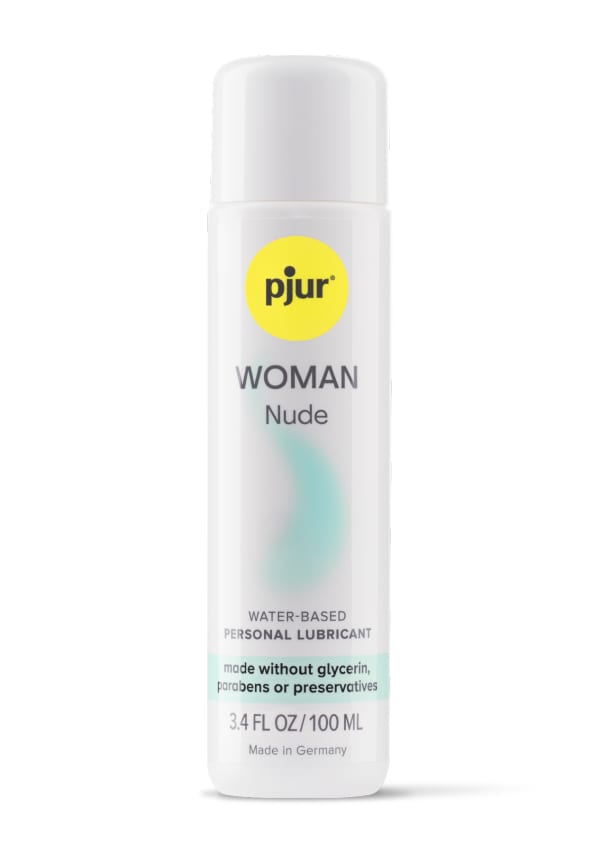
If sensitive skin is a priority, a simpler formula may be appealing. pjur WOMAN Nude and pjur med SENSITIVE, for example, are water-based formulas developed for sensitive intimate skin and are made without glycerin, parabens, or preservatives.
Look for Clear Condom and Sex Toy Compatibility Information
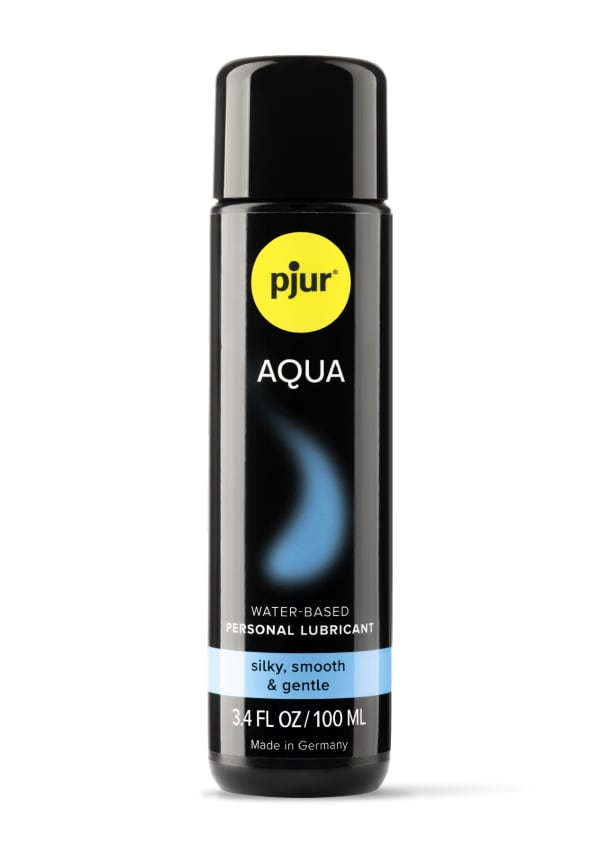
Don’t assume every lube works with every condom or sex toy material. For example, pjur AQUA is compatible with natural rubber latex condoms and compatible with sex toys, as it’s a water-based lube.
Meanwhile, pjur ORIGINAL is listed as compatible with natural rubber latex, polyurethane, and polyisoprene condoms. Always check the current label for the specific combination you plan to use.
 Consider Water-Based Lube for Versatility and Easy Cleanup
A water-based lubricant is often an easy choice to start your lube journey with. Always check the product label to confirm compatibility with your specific condoms and sex toys. Water-based formulations are absorbed by the skin, and any remaining residue can easily be rinsed off with water.
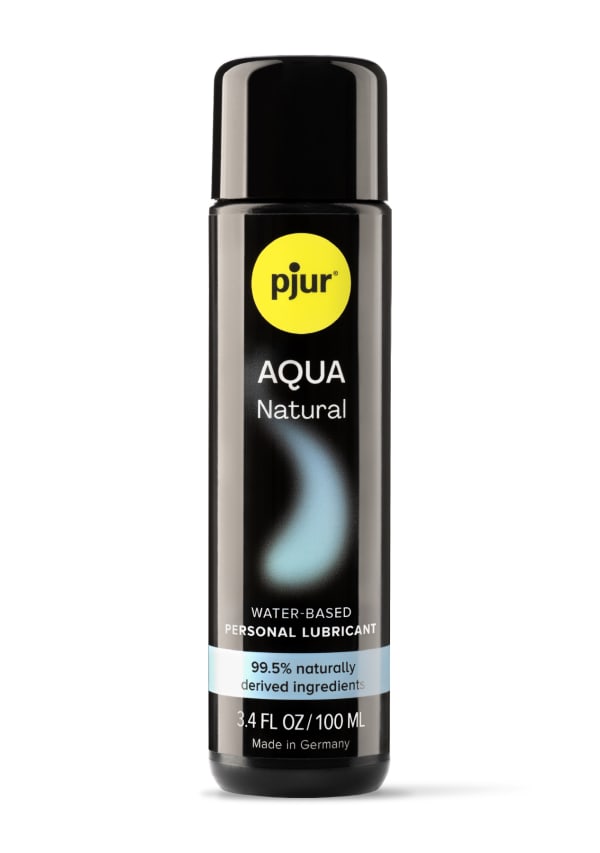
Explore pjur’s water-based lubricants for different preferences. pjur AQUA Natural, for example, is water-based, made with 99.5% naturally derived ingredients, and suitable for sex toys.
Consider Silicone-Based Lube for Longer-Lasting Glide
If you want longer-lasting glide, a silicone-based lubricant may be a perfect fit. These formulas can be especially useful when you want to minimize the need for reapplication. When sex toys are involved, check the toy manufacturer’s care and compatibility instructions before pairing them with any silicone-based lubricant.
Safer pjur Alternatives to DIY Lube
Instead of asking which household items can be used as lubricant, start with what you want your lubricant to do. For a simple water-based option for sensitive skin, consider pjur WOMAN Nude or pjur med SENSITIVE. If naturally derived ingredients are important to you, pjur AQUA Natural offers another water-based option. For long-lasting silicone glide, explore pjur’s silicone-based lubricants.
Want to understand what lube can add to intimacy beyond avoiding friction? Check out our guide to the Top 8 Ways Lube Can Improve Your Sex Life. For more practical safety guidance, explore our Lube Safety Tips for Men.
Conclusion: Skip the Kitchen and Choose a Lube Made for Your Body
DIY lube may seem convenient, but intimate comfort deserves more than guesswork. A product being edible, natural, moisturizing, or safe for everyday skin doesn’t automatically make it a good personal lubricant.
Choosing a purpose-made lubricant means you can make an informed decision based on intended use, ingredients, condom compatibility, sex toy compatibility, and your own sensitivities. That makes it easier to focus on what lube is really there for: reducing friction, supporting comfort, and helping intimacy feel relaxed and pleasurable.
Your body deserves a product designed especially for intimate use. Explore pjur’s personal lubricants and choose the formula that fits your body, preferences, condom choice, sex toys, and plans.
FAQ – Frequently Asked Questions
Is Homemade Lube Safe to Use?
It depends on the ingredients, but homemade lubes do not provide the same formulation, testing, storage, and compatibility information as purpose-made personal lubricants. For intimate use, a clearly labeled personal lubricant will offer more consistent, predictable results every time.
Can Homemade Lube Disrupt Vaginal pH?
Some household products may interfere with the vaginal environment depending on their pH and overall formulation. If vaginal health or sensitivity is a concern, choose a lubricant specifically formulated for intimate use.
Can You Use Coconut Oil as Lube?
Coconut oil may provide long-lasting glide, but it isn’t specifically formulated as a personal lubricant. It can also weaken latex condoms, making a compatible personal lubricant the better choice when using condoms.
Can You Use Vaseline or Baby Oil as Lube?
Vaseline and baby oil may feel slippery, but they aren’t specifically formulated as personal lubricants. As oil-based products, they can also weaken latex condoms, making a compatible personal lubricant a better choice.
Can You Use Spit as Lube?
Saliva can provide temporary moisture, but it dries quickly and does not offer the consistent, lasting glide of a personal lubricant. In addition, it can introduce bacteria into the vaginal microbiome. For activities where friction is a concern, a purpose-made lubricant is a better option.
What Should You Use Instead of Homemade Lube?
Choose a water-based or silicone-based personal lubricant formulated for intimate use, then check its label for your intended application and compatibility with your condoms and sex toys. If you have sensitive skin, consider formulas specifically developed with sensitive intimate tissue in mind.
Photo credits: shutterstock_566860909; pexels-pixabay-414032